Behavioral therapy techniques are simple, practical tools that help people change unhelpful habits, thoughts, and emotional reactions. These methods come from behavioral therapy psychology, a branch of psychology that focuses on what we do and how we can learn healthier behaviors over time.
The best part? These techniques are not only used by therapists. Many of them can be practiced in daily life to manage stress, improve focus, reduce anxiety, and build better routines. This article explains behavioral therapy in plain language, with real-life behavioral therapy examples you can understand and apply.
What Is Behavioral Therapy Psychology?
Behavioral therapy psychology is based on the idea that behavior is learned. If behaviors are learned, they can also be unlearned or changed. This approach does not focus heavily on the past. Instead, it looks at current actions and how they affect your life today.
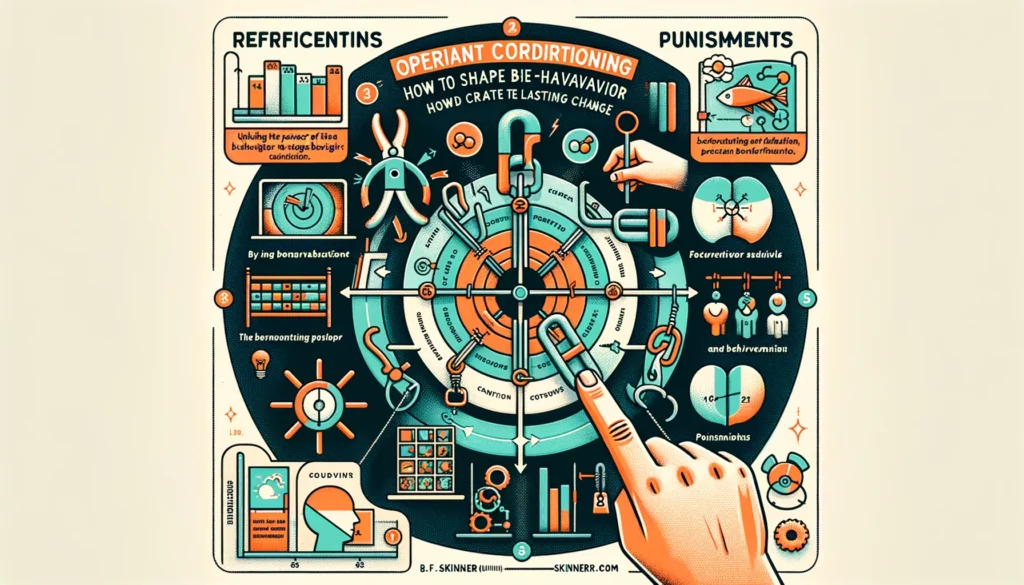
Early behavioral therapy was shaped by researchers like B. F. Skinner, who studied how rewards and consequences shape behavior. Over time, behavioral therapy evolved and blended with thinking-based approaches, leading to modern methods like Cognitive Behavioral Therapy (CBT).
Today, behavioral therapy is widely used for anxiety, depression, phobias, addiction, and everyday life challenges.
Why Behavioral Therapy Techniques Work
Behavioral therapy techniques work because they are:
- Practical – focused on real actions
- Goal-oriented – clear and measurable progress
- Skill-based – tools you can practice and improve
- Evidence-based – supported by research
Instead of just talking about problems, these techniques help people take action. Small, repeated changes often lead to long-term improvement.
Core Behavioral Therapy Techniques
Below are some of the most effective behavioral therapy techniques used by professionals and individuals alike.

1. Behavioral Activation
Behavioral activation focuses on increasing positive activities, especially when someone feels low or unmotivated.
How it works:
When people feel depressed or stressed, they often stop doing things they enjoy. This makes mood worse. Behavioral activation gently reverses this cycle.
Example:
- Scheduling a short walk every morning
- Calling a friend once a week
- Doing one enjoyable task per day
This is one of the most common behavioral therapy examples used for depression.
2. Exposure Therapy
Exposure therapy is often used in behavioral therapy for anxiety.
How it works:
Avoiding fear makes it stronger. Facing fear slowly and safely makes it weaker.
Example:
- Someone afraid of public speaking starts by speaking in front of a mirror
- Then practices with a friend
- Eventually speaks to a small group
Over time, anxiety decreases because the brain learns there is no real danger.
3. Positive Reinforcement
Positive reinforcement is one of the most powerful behavior modification techniques.
How it works:
Behaviors followed by rewards are more likely to repeat.
Example:
- Rewarding yourself after completing a task
- Praising a child for positive behavior
- Tracking habits and celebrating progress
This technique is widely used in parenting, education, and workplace motivation.
Read more: Lets explain the Operant Conditioning In Psychology: B.F. Skinner Theory
4. Token Economy
A token economy uses points or tokens as rewards for desired behavior.
How it works:
Tokens are earned for good behavior and exchanged for rewards later.
Example:
- Children earning stars for homework
- Adults earning points for sticking to healthy habits
This system helps build consistency and motivation.
5. Shaping
Shaping means reinforcing small steps toward a larger goal.
Read more: What Is Shaping in Psychology? A Complete Guide to Behavioral Development
How it works:
Big changes feel overwhelming. Shaping breaks them into smaller, manageable steps.
Example:
- Exercising 5 minutes a day, then 10, then 20
- Reading one page daily before building a reading habit
Shaping makes long-term behavior change easier and less stressful.
Cognitive Behavioral Techniques and Behavioral Therapy
Behavioral therapy later combined with thinking-based methods, forming Cognitive Behavioral Therapy (CBT). This approach was developed by Aaron Beck.
Cognitive behavioral techniques focus on the connection between thoughts, feelings, and actions.
Common CBT techniques include:
- Identifying negative thinking patterns
- Challenging unrealistic thoughts
- Replacing them with balanced thinking
For example, changing the thought “I always fail” to “I made a mistake, but I can improve” can lead to healthier behavior.
Behavioral Therapy for Anxiety in Daily Life
Behavioral therapy for anxiety helps people respond differently to stress and fear.
Common Techniques for Anxiety
- Exposure exercises to reduce avoidance
- Relaxation training such as deep breathing
- Routine building for predictability
- Thought tracking to reduce overthinking
These techniques teach the nervous system to calm down instead of staying in constant alert mode.
Research shows that CBT and behavioral methods are among the most effective treatments for anxiety disorders.
Everyday Behavioral Therapy Examples
You don’t need a diagnosis to benefit from behavioral therapy techniques. Here are everyday uses:
- Improving sleep routines
- Breaking procrastination habits
- Managing anger
- Reducing phone or social media overuse
- Building healthier eating habits
Small changes, practiced daily, lead to lasting results.
Behavioral Modification Techniques at Home and Work
Behavior modification techniques are useful in many settings.
At Home
- Setting clear routines
- Using rewards instead of punishment
- Tracking habits visually
At Work
- Breaking tasks into smaller goals
- Rewarding productivity
- Reducing avoidance behavior
These techniques improve focus, motivation, and emotional control.
Research and Evidence Behind Behavioral Therapy
Behavioral therapy is one of the most researched approaches in psychology. Studies consistently show its effectiveness for:
- Anxiety disorders
- Depression
- ADHD
- Phobias
- Stress management
According to research published by organizations like the American Psychological Association, behavioral and cognitive behavioral approaches are considered gold-standard treatments for many mental health conditions.
How to Start Using Behavioral Therapy Techniques Today
You can begin with simple steps:
- Choose one behavior you want to change
- Set a small, clear goal
- Track progress daily
- Reward effort, not perfection
- Be patient and consistent
Behavior change is a process, not a quick fix.
Final Thoughts
Behavioral therapy techniques offer practical, science-backed tools to improve daily life. Whether you are managing anxiety, building healthy habits, or improving focus, these methods help turn intention into action.
From behavioral therapy psychology foundations to modern cognitive behavioral techniques, these approaches empower people to take control of their behavior one step at a time.
Small changes matter. With consistency, behavioral therapy techniques can create meaningful, lasting improvement in everyday life.
FAQs
1. What behavioral therapy techniques actually help with everyday anxiety?
Some of the most helpful behavioral therapy techniques for anxiety include gradual exposure, simple relaxation exercises, and changing unhelpful thought patterns. These techniques work by teaching your brain that everyday stressors are not as dangerous as they feel. With practice, anxiety becomes easier to manage instead of overwhelming.
2. How long does behavioral therapy take to start working?
Many people notice small changes within a few weeks, especially when they practice the techniques regularly. Bigger and more lasting improvements usually happen over a few months. Behavioral therapy works best when you stay consistent and focus on progress, not perfection.
3. Can I use behavioral therapy techniques on my own without a therapist?
Yes, many behavioral therapy techniques can be used on your own for stress, habits, and mild anxiety. Simple tools like habit tracking, positive reinforcement, and exposure exercises work well at home. For more severe mental health concerns, working with a therapist is still recommended.
For more practical psychology insights, visit KnownPsychology.com and continue exploring evidence-based ways to improve mental well-being.

Maria holds an MS in Psychology with a specialization in Social Psychology. She is a research-oriented writer with a strong academic background in psychological and behavioral sciences. Her work focuses on bridging academic research and public understanding by simplifying complex psychological theories and social dynamics. She writes about the relationship between society, mental health, and human behavior, making evidence-based ideas more accessible and practical for readers.