Antisocial Personality Disorder (ASPD) is one of the most misunderstood mental health conditions. The term “antisocial” is often incorrectly used to describe someone who is shy, introverted, or prefers spending time alone. In reality, Antisocial Personality Disorder is a complex personality disorder characterized by a persistent pattern of disregarding the rights, feelings, and safety of others.
People with ASPD may repeatedly violate social norms, manipulate others for personal gain, behave impulsively, or show little remorse after harming others. However, not everyone with ASPD exhibits violent behavior, and the condition exists on a spectrum of severity.
Understanding the signs and symptoms of Antisocial Personality Disorder is important for early intervention, proper diagnosis, and reducing stigma around mental health.
What Is Antisocial Personality Disorder?
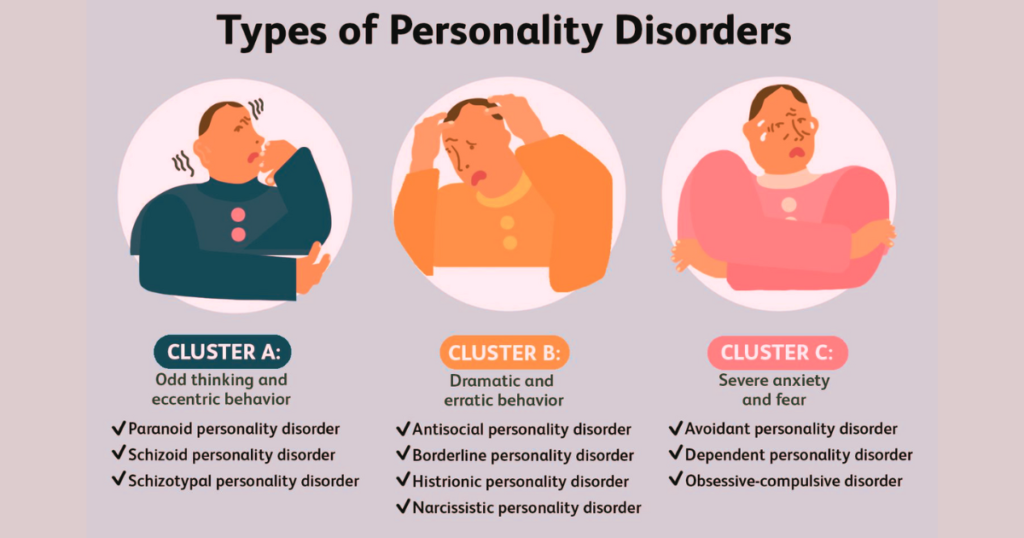
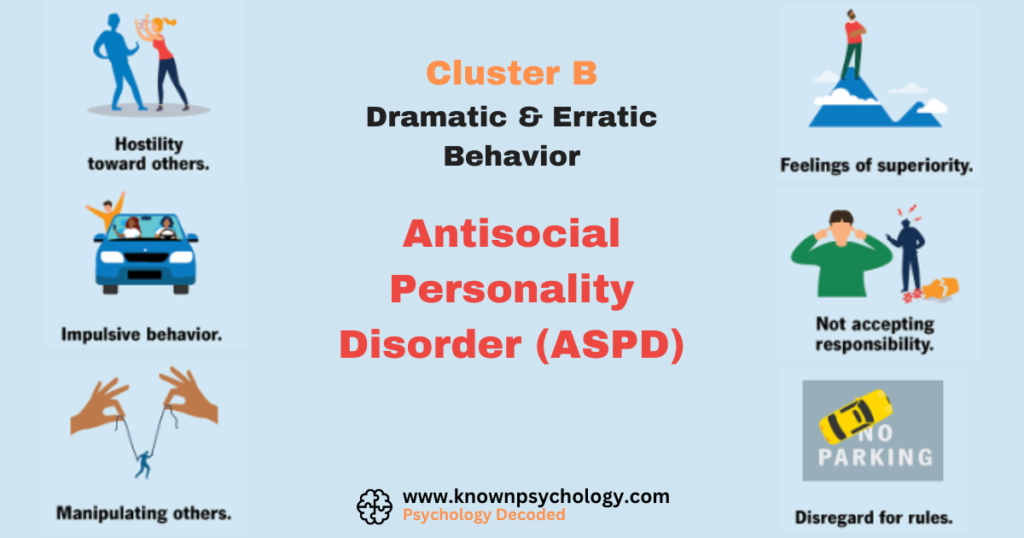
Antisocial Personality Disorder is a mental health condition in which a person consistently disregards social rules and the rights of others. It is classified as a Cluster B personality disorder, a group of disorders characterized by dramatic, emotional, or unpredictable behavior.
To receive a diagnosis, an individual must be at least 18 years old and have a history of conduct disorder symptoms before the age of 15. These early behaviors may include aggression, lying, stealing, or violating rules.
ASPD affects personal relationships, education, work, and social functioning. While some individuals live relatively stable lives, others struggle with legal issues, substance abuse, and unstable relationships.
Signs and Symptoms of Antisocial Personality Disorder
The signs of ASPD often become noticeable in adolescence and continue into adulthood. Symptoms vary among individuals, but common patterns include emotional detachment, impulsivity, and disregard for others.
Emotional Symptoms
People with ASPD may exhibit:
- Lack of empathy for others
- Little or no remorse after hurting someone
- Emotional coldness
- Difficulty maintaining close relationships
- Superficial charm used to manipulate others
- Limited feelings of guilt
Behavioral Symptoms
Common behavioral signs include:
- Repeated lying or deceitfulness
- Manipulating others for personal benefit
- Impulsive decision-making
- Frequent aggression or irritability
- Reckless behavior without concern for consequences
- Ignoring laws or social norms
- Irresponsibility regarding work or finances
- Repeated involvement in risky activities
Not every person with ASPD exhibits all these behaviors, and symptoms can range from mild to severe.
Early Warning Signs in Childhood
Antisocial Personality Disorder does not suddenly appear in adulthood. Most individuals diagnosed with ASPD show signs of conduct disorder during childhood or adolescence.
Early warning signs may include:
- Frequent lying
- Bullying or intimidating others
- Physical aggression
- Cruelty toward animals
- Fire setting
- Destruction of property
- Stealing
- Repeated violations of rules
Children displaying these behaviors are not automatically destined to develop ASPD. However, early intervention and family support can significantly improve outcomes.
What Causes Antisocial Personality Disorder?
Researchers believe ASPD develops due to a combination of biological, psychological, and environmental factors.
1. Genetics
Studies suggest that genetics play a role in personality traits such as impulsivity, aggression, and emotional regulation. A family history of personality disorders may increase the risk of developing ASPD.
2. Brain Differences
Research has identified differences in brain areas responsible for:
- Decision making
- Emotional processing
- Fear response
- Impulse control
These differences may contribute to risky or aggressive behaviors.
3. Childhood Trauma
Traumatic childhood experiences can increase the risk of ASPD, including:
- Physical abuse
- Emotional neglect
- Exposure to domestic violence
- Parental substance abuse
- Unstable family environments
4. Environmental Factors
Growing up in high-conflict environments or experiencing chronic stress may contribute to the development of antisocial behaviors.
Antisocial Personality Disorder vs Sociopath vs Psychopath
Many people use the terms sociopath and psychopath interchangeably with ASPD, but they are not exactly the same.
Antisocial Personality Disorder
- Official psychiatric diagnosis
- Defined by specific diagnostic criteria
- Varying levels of severity
Sociopath
- Informal term
- Often used to describe people who are impulsive and disregard social rules
- Not an official diagnosis
Psychopath
- Not a DSM diagnosis
- Associated with traits such as:
- Lack of empathy
- Superficial charm
- Manipulativeness
- Calculated behavior
Some researchers consider psychopathy to represent a more severe set of antisocial traits.
Can Someone With Antisocial Personality Disorder Love?
This is one of the most common questions about ASPD.
The answer is complicated.
People with Antisocial Personality Disorder can experience emotions and form attachments, but their emotional experiences may differ from those of others. Difficulties with empathy, trust, and emotional regulation can make relationships challenging.
Some individuals with ASPD maintain long-term relationships, especially when they receive therapy and develop healthier coping strategies.
It is important to avoid stereotypes that portray everyone with ASPD as incapable of love or kindness.
How Is Antisocial Personality Disorder Diagnosed?
Mental health professionals diagnose ASPD through a comprehensive psychological evaluation.
The assessment may include:
- Personal and family history
- Childhood behavioral patterns
- Relationship history
- Impulsive or aggressive behaviors
- Criminal or legal history
- Emotional functioning
Doctors also ensure that another mental health condition or substance use does not better explain symptoms.
A diagnosis is usually made only after age 18.
Treatment for Antisocial Personality Disorder
Although there is no single cure for ASPD, treatment can help people manage symptoms and improve their quality of life.
Cognitive Behavioral Therapy (CBT)
CBT helps individuals:
- Recognize harmful thought patterns
- Improve emotional regulation
- Develop healthier coping skills
- Manage anger and impulsivity
Group Therapy
Group therapy may help improve:
- Social skills
- Communication
- Conflict resolution
- Emotional awareness
Family Therapy
Family involvement can help:
- Improve communication
- Set healthy boundaries
- Reduce conflicts at home
Medication
There is no medication specifically approved to cure ASPD. However, doctors may prescribe medication to manage related symptoms such as:
- Depression
- Anxiety
- Aggression
- Mood instability
Can Antisocial Personality Disorder Be Cured?
Currently, there is no complete cure for Antisocial Personality Disorder.
However, many people experience improvements over time, especially with:
- Consistent therapy
- Strong support systems
- Substance abuse treatment
- Learning healthier relationship skills
Research also suggests that aggressive and criminal behaviors often decrease as individuals grow older.
Living With Antisocial Personality Disorder
Living with ASPD can be challenging, but improvement is possible.
People who seek treatment may learn to:
- Control impulsive behaviors
- Build healthier relationships
- Improve emotional awareness
- Reduce aggressive tendencies
- Develop long-term goals
Support from family members, therapists, and community resources can play a major role in recovery and personal growth.
Final Thoughts
Antisocial Personality Disorder is a serious but often misunderstood mental health condition. While it is characterized by patterns of manipulation, impulsivity, and disregard for others, individuals with ASPD are not defined solely by their diagnosis.
Early intervention, professional treatment, and ongoing support can help many people manage symptoms and lead more stable, fulfilling lives.
Understanding the signs and symptoms of Antisocial Personality Disorder is the first step toward increasing awareness, reducing stigma, and encouraging compassionate mental health care.
Frequently Asked Questions
Is Antisocial Personality Disorder the same as psychopathy?
No. ASPD is an official mental health diagnosis, while psychopathy is a personality construct used primarily in research and forensic psychology.
Can people with ASPD feel emotions?
Yes. People with ASPD can experience emotions, although they may have difficulty expressing empathy or guilt in the same way others do.
Is Antisocial Personality Disorder hereditary?
Research suggests that both genetic and environmental factors contribute to the development of ASPD.
Can ASPD get better with age?
Yes. Many individuals show reduced aggression and impulsive behavior as they grow older, especially when receiving treatment.
Is Antisocial Personality Disorder treatable?
Yes. Therapy, support systems, and treatment for co-occurring conditions can help individuals manage symptoms and improve their lives.

Maria holds an MS in Psychology with a specialization in Social Psychology. She is a research-oriented writer with a strong academic background in psychological and behavioral sciences. Her work focuses on bridging academic research and public understanding by simplifying complex psychological theories and social dynamics. She writes about the relationship between society, mental health, and human behavior, making evidence-based ideas more accessible and practical for readers.