Have you ever wondered why people behave the way they do? Why do children learn differently from adults? Why do emotions affect our decisions? Why do some people remember things better than others?
Psychologists have been asking these questions for more than 100 years. Through careful research and observation, they created theories that explain how people think, feel, learn, and behave.
Some of these ideas changed not only psychology but also education, healthcare, parenting, business, and even sports.
In this guide, you’ll learn about the most famous psychologists and their theories in simple English. You’ll also discover psychologists’ theories on child development, how these ideas are used today, and how psychologists test their theories before accepting them as scientific knowledge.
Whether you’re a student, teacher, parent, or simply curious about psychology, this guide will help you understand these important ideas without confusing scientific terms.
Table of Contents
What Is a Psychological Theory?
A psychological theory is an explanation of why people think, feel, or behave in certain ways.
Think of it like a map.
A map helps you understand where you are and how to reach your destination. In the same way, a psychological theory helps us understand human behavior.
Psychologists create theories after studying many people, collecting evidence, and testing their ideas through scientific research.
For example:
- Why do babies become attached to their parents?
- Why do rewards help people learn?
- Why do some memories last for years?
- Why do stress and anxiety affect decision-making?
Each theory tries to answer one or more of these questions.
Good theories are supported by evidence and continue to be tested by researchers around the world.
Why Are Famous Psychologists Important?
The work of famous psychologists influences many parts of everyday life.
Their ideas help:
- Teachers understand how students learn.
- Parents support healthy child development.
- Therapists treat mental health conditions.
- Doctors improve patient care.
- Businesses understand customer behavior.
- Coaches motivate athletes.
- Researchers discover new ways to improve mental health.
Many modern treatments, teaching methods, and workplace practices are based on psychological theories developed decades ago.
Quick Comparison: Famous Psychologists and Their Theories
| Psychologist | Famous Theory | Main Idea |
| Sigmund Freud | Psychoanalytic Theory | Unconscious thoughts influence behavior. |
| Carl Jung | Analytical Psychology | The unconscious contains shared human experiences. |
| B.F. Skinner | Operant Conditioning | Rewards and punishments shape behavior. |
| Ivan Pavlov | Classical Conditioning | People learn by forming associations. |
| Jean Piaget | Cognitive Development Theory | Children’s thinking develops in stages. |
| Erik Erikson | Psychosocial Development | People face different life challenges throughout life. |
| Albert Bandura | Social Learning Theory | People learn by watching others. |
| Abraham Maslow | Hierarchy of Needs | Basic needs must be met before reaching full potential. |
| Carl Rogers | Person-Centered Theory | People grow in supportive environments. |
| John Bowlby | Attachment Theory | Early relationships shape emotional development. |
| Lev Vygotsky | Sociocultural Theory | Learning happens through social interaction. |
| William James | Functionalism | Psychology should study how the mind helps people adapt. |
| John B. Watson | Behaviorism | Behavior is shaped by the environment. |
| Edward Thorndike | Law of Effect | Behaviors followed by success are repeated. |
| Lawrence Kohlberg | Moral Development Theory | Moral reasoning develops through stages. |
Let’s look at each psychologist in more detail.
List of 20 Famous Psychologists and Their Theories
1. B. F. Skinner (1904-1990)
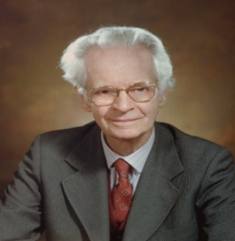
B.F. Skinner, a renowned American psychologist, significantly contributed to behaviorism.
He gained fame for his pioneering work in operant conditioning, focusing on shaping behavior through consequences. Additionally, his research and theories profoundly impact psychology, applying in diverse fields like education and animal training. Moreover, his work established the foundation for understanding how rewards and punishments influence human and animal behavior.
Important Contributions
- Behaviorism
- Operant Conditioning
- Shaping in Psychology
2. Wilhelm Wundt (1832-1920)
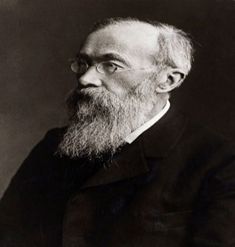
Wilhelm Wundt, a pioneering German psychologist, famously established the first psychology laboratory at the University of Leipzig in 1879. He is known as the father of experimental psychology because of his significant contributions the field. His work primarily focused on studying the conscious experience. Additionally, he developed introspection to explore the mind’s inner workings. Consequently, his contributions laid the groundwork for modern psychology. This has profoundly shaped our understanding of human cognition and perception today.
Important Contributions
- Structuralism
- Introspection
- Experimental Psychology
3. Alfred Adler (1870-1937)
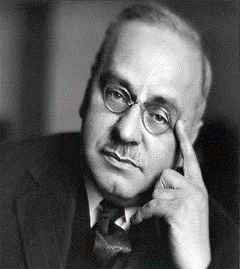
Alfred Adler, an influential Austrian psychiatrist and psychotherapist, significantly contributed to psychology. He founded individual psychology, focusing on understanding each unique person’s experiences and motivations. Adler maintained that personal goals and feelings of inferiority propel behavior, underscoring social and familial impacts on psychological development. His influential ideas continue to be studied and utilized in various therapeutic methods.
Important Contributions
- Birth Order
- Inferiority Complex
- Belongingness
- Individual Psychology
4. William James (1842-1910)
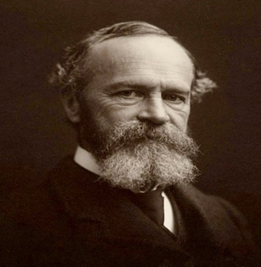
William James, a prominent American philosopher and psychologist, was born in 1842 and died in 1910. He played a pivotal role in developing pragmatism, a movement emphasizing beliefs’ practical consequences. Additionally, James was instrumental in establishing modern psychology in the United States. His significant contributions spanned psychology, philosophy, and education. Notably, his works like “The Principles of Psychology” and “The Varieties of Religious Experience” continue shaping these disciplines. Thus, James remains a foundational figure in American intellectual history.
Important Contributions
- Functionalism
- Pragmatism
- Radical Empiricism
5. Edward Thorndike (1874-1949)
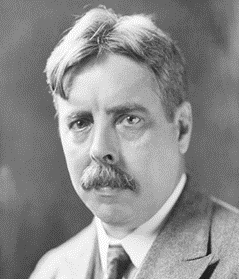
Edward Thorndike, an influential American psychologist, is widely recognized for his pioneering work in learning theory and educational psychology. Born in 1874, Thorndike’s research laid the foundation for studying animal and human behaviour, particularly in the context of learning and problem-solving. He is most famous for formulating the Law of Effect, highlighting the importance of rewards and punishments in shaping behaviour. Thorndike’s work has had a lasting impact on educational practices and understanding of how individuals acquire new skills and knowledge.
Important Contributions
- Law of Effect
- Behavioral Modification
- Educational Psychology
6. Sigmund Freud (1856-1939)
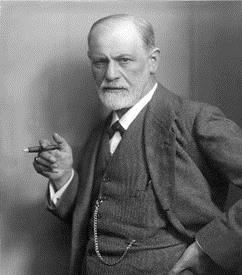
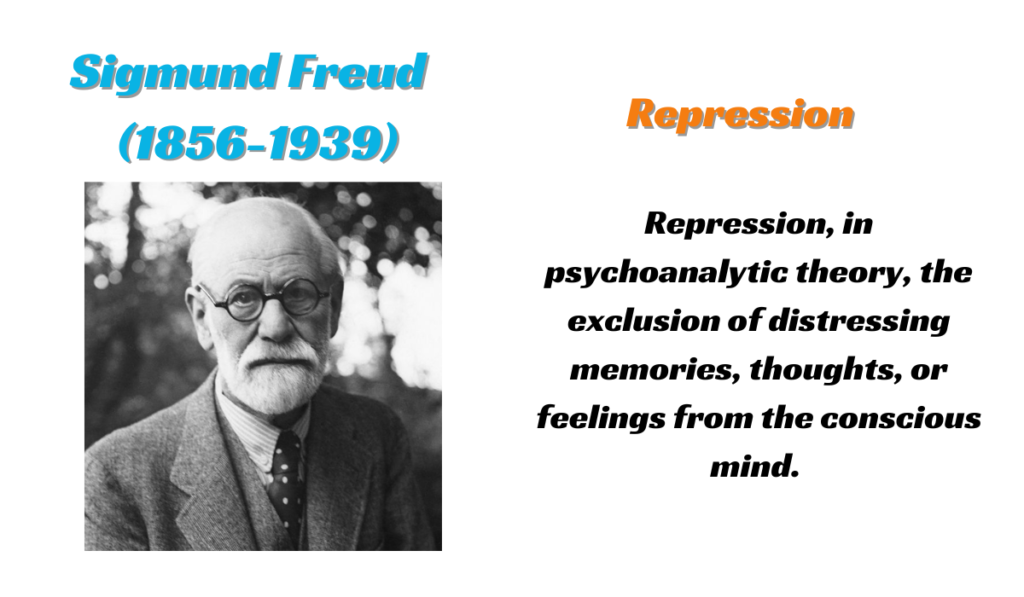
Sigmund Freud, born in 1856, was an Austrian neurologist and the founder of psychoanalysis, a groundbreaking approach to understanding the human mind. Freud’s work revolutionized psychology and introduced concepts like the unconscious mind, the Oedipus complex, and defense mechanisms. He emphasized the role of unconscious desires and childhood experiences in shaping adult behavior and personality. Freud’s theories and techniques have had a profound and lasting impact on psychology, psychiatry, and psychotherapy, influencing how we perceive and treat mental health and emotional well-being.
Important Contributions
- Psychoanalysis
- Id, Ego, Superego
- Unconscious and Conscious Mind
- Oedipus Complex
- Cathexis and Anticathexis
- Life and Death Instincts
- 5 stages of Psychosexual Development
- Dream Analysis
- Repression
- Religion
- Women and Penis envy
7. Hugo Münsterberg (1863-1916)
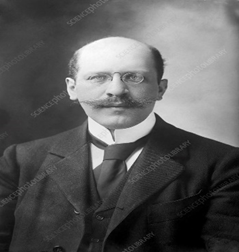
Hugo Münsterberg, a German-American psychologist born in 1863, was a pioneer in the field of applied psychology. He significantly contributed to areas such as forensic psychology, clinical psychology, and industrial-organizational psychology. Münsterberg’s work focused on applying psychological principles in various real-world contexts, such as legal proceedings, personnel selection, and vocational guidance. His research and writings laid the groundwork for integrating psychology into practical fields, shaping how psychology is used to address everyday challenges and issues.
Important Contributions
- Applied Psychology
- Forensic Psychology
8. James McKeen Cattell (1860-1944)
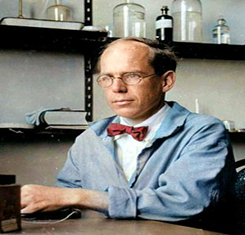
James McKeen Cattell, an American psychologist born in 1860, was a prominent figure in the early development of psychology as a scientific discipline in the United States. He played a crucial role in establishing psychology as an empirical and experimental field, and he was among the first psychologists to use objective measurements and quantitative methods in his research.
Cattell’s work covered various topics, including mental testing, individual differences, and cognitive psychology. He also founded the journal “Psychological Review” and was a key advocate for using statistical methods in psychology, impacting the field’s methodology and growth.
Important Contributions
- Scientific Psychology
9. Mary Whiton Calkins (1863-1930)
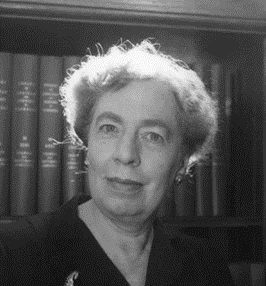
Mary Whiton Calkins, born in 1863, was a prominent American psychologist who made significant contributions to psychology, particularly in memory research and self-psychology. She was the first woman to become the American Psychological Association (APA) president in 1905, breaking barriers for women in the field. Calkins is well-known for her work on the paired-associate technique in memory studies and her development of the self-psychology theory, which explored the concept of the self and its relation to mental processes. Her pioneering efforts paved the way for women in psychology and left a lasting legacy.
Important Contributions
- First Woman President of the APA
- Self-Psychology
- Paired-Association Technique
10. Mamie Phipps Clark (1917-1983)
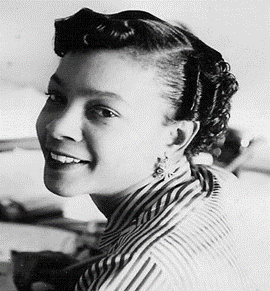
Mamie Phipps Clark, born in 1917, was a distinguished African-American psychologist who contributed significantly to understanding racial segregation and its effects on children’s self-esteem and identity. Along with her husband, Kenneth Clark, she conducted the famous “Doll Test” studies in the 1930s and 1940s, which provided critical evidence for the landmark Brown v. Board of Education Supreme Court case that led to the desegregation of American schools. Mamie Phipps Clark’s work highlighted the psychological harm caused by racial segregation and played a pivotal role in the civil rights movement. Her advocacy for equality and social justice continues to inspire and influence the field of psychology today.
Important Contributions
- Research on Race
- Research on the Effects of Segregation
11. Anna Freud (1895-1982)
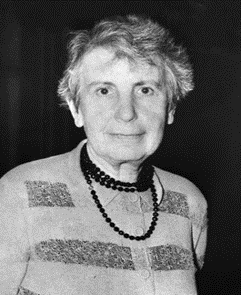
Anna Freud, an Austrian psychoanalyst and Sigmund Freud’s youngest daughter, significantly advanced child psychoanalysis. She is renowned for her studies on child development, defence mechanisms, and ego understanding. Founding the Hampstead Child Therapy Course and Clinic in London, she provided vital resources for treating emotionally and psychologically troubled children. Her groundbreaking insights have profoundly influenced child psychology and psychotherapy, shaping the field enduringly.
Important Contributions
- Defense Mechanisms
- Child Psychoanalysis
12. Lev Vygotsky (1896-1934)
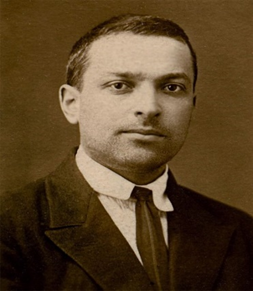
Lev Vygotsky, a Russian psychologist born in 1896, was foundational in developmental psychology and educational theory. He is best known for his sociocultural approach to cognitive development, which emphasizes the role of social interaction and cultural context in shaping a child’s mental growth. Vygotsky’s work highlighted the importance of the Zone of Proximal Development (ZPD), where learning is most effective when children receive guidance and support from more knowledgeable individuals. His ideas have profoundly influenced education and the understanding of how children learn, and his work remains highly regarded in developmental psychology and educational pedagogy. Vygotsky’s contributions continue to impact educational practices and have implications for designing effective learning environments for children.
Important Contributions
- The Zone of Proximal Development
- More Knowledgeable Other
- Sociocultural Theory
13. John Bowlby (1907-1990)
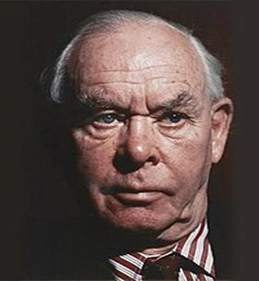
John Bowlby, born in 1907, was a British psychiatrist and psychoanalyst who made significant contributions to the field of attachment theory. He is best known for pioneering work in understanding the emotional bonds and attachments between children and their caregivers. Bowlby’s attachment theory emphasized the critical role of early attachment experiences in a child’s emotional and social development. He proposed that secure attachments to caregivers provide a foundation for healthy psychological development and that disruptions in these attachments can have long-lasting effects. Bowlby’s research laid the groundwork for our modern understanding of child psychology and the importance of secure attachment relationships in promoting emotional well-being. His ideas continue to influence psychology, child development, and therapy.
Important Contributions
- Attachment Theory
14. Harry Harlow (1905-1981)
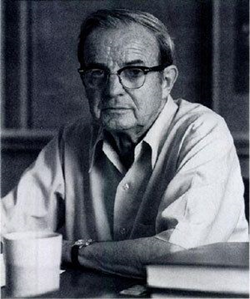
Harry Harlow, an American psychologist born in 1905, pioneered the study of attachment and social behaviour in primates. He is best known for his groundbreaking research with rhesus monkeys, which challenged prevailing beliefs about maternal attachment and emotional development.
Harlow’s experiments involved separating infant monkeys from their mothers and studying their responses to surrogate “mothers” made of wire or cloth. His research demonstrated that infant monkeys preferred the soft, comforting cloth surrogate over the wire surrogate that provided food. This work provided strong evidence for the importance of emotional comfort and attachment in social and psychological development.
Harlow’s studies profoundly impacted our understanding of attachment theory and the emotional needs of infants and children, influencing the field of developmental psychology and how we approach child-rearing.
Important Contributions
- Maternal Deprivation
- Social Isolation
- Monkey Studies
15. Raymond Cattell (1905-1998)
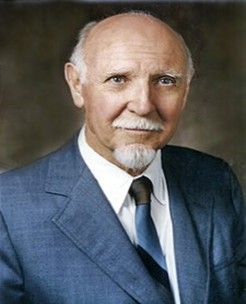
Raymond Cattell, a British-American psychologist born in 1905, was a prominent figure in personality psychology and psychometric research. He is best known for developing the 16 Personality Factors (16PF) questionnaire, which aimed to assess various dimensions of personality, such as extraversion, anxiety, and independence. Cattell’s work was instrumental in advancing the field of trait theory and laid the groundwork for the study of personality traits and their measurement. He also contributed to understanding intelligence and coined “fluid intelligence” and “crystallized intelligence.” Cattell’s research and theories have had a lasting impact on the assessment of personality and intelligence, and his work continues to influence psychological examination and evaluation practices today.
Important Contributions
- 16 Personality Factors
- Fluid and Crystallized Intelligence
16. Edward B. Titchener (1867-1927)
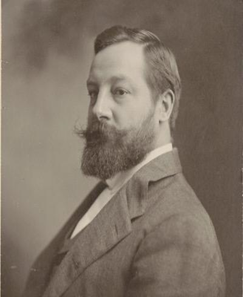
Edward B. Titchener, an English-born psychologist who lived from 1867 to 1927, was a prominent figure in the early development of structuralism, a school of thought in psychology that focused on analyzing the structure of the mind and conscious experience. Titchener’s work emphasized introspection, a method where individuals describe their thoughts and experiences to understand the elements of consciousness. He is often credited with introducing psychology as an experimental science in the United States and significantly shaping the early landscape of psychology in America. While influential at the time, Titchener’s structuralism eventually gave way to other approaches in psychology, but his contributions to the field’s methodology and early growth remain notable.
Important Contributions
- Introspection
- Structuralism
- Attention
17. Clark L. Hull (1884-1952)
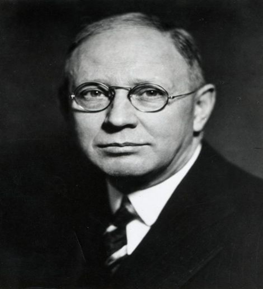
Clark L. Hull, an American psychologist born in 1884 and passing away in 1952, was a prominent figure in psychology known for developing the Hullian learning theory. Hull’s view, often called “Hull’s Drive-Reduction Theory,” sought to explain learning and behaviour through mathematical equations and the interaction of various factors, including drives, habits, and reinforcements. Hull’s work significantly contributed to our understanding of conditioning and learning processes, and his emphasis on quantifying psychological phenomena had a lasting impact on the field. While his theories have been subject to debate and modification over the years, Clark L. Hull is recognized as an influential figure in the history of psychology, particularly in the study of behaviourism and motivation.
Important Contributions
- Drive Theory of Motivation
- Goal Gradient
18. George Kelly (1905-1967)
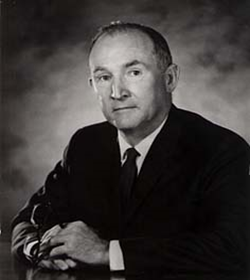
George Kelly, an American psychologist born in 1905 and passing away in 1967, is best known for developing the psychology of personal constructs and his theory of personality known as “Personal Construct Psychology” (PCP). Kelly’s theory emphasises that individuals create unique systems of personal constructs or mental frameworks to make sense of the world.
He believed our interpretations of events are based on these constructs, which can vary widely among individuals. Kelly’s work highlighted the importance of understanding how people perceive and interpret their experiences to grasp their behaviour and personality. His contributions to psychology extended to clinical and counselling psychology, as PCP influenced therapeutic approaches and assessment techniques. George Kelly’s work remains influential in the field of psychology, particularly in the realm of cognitive psychology and personality theory.
Important Contributions
- Cognitive Clinical Psychology
- Personal Construct Theory
19. Ivan Pavlov (1849-1936)
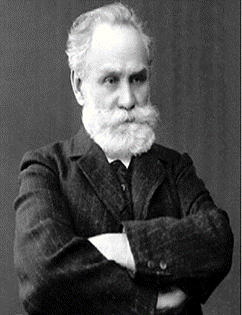
Ivan Pavlov, a Russian physiologist born in 1849 and passing away in 1936, is renowned for his groundbreaking research on classical conditioning. His famous experiments involving dogs demonstrated how animals can learn to associate a neutral stimulus (like a bell) with a reflex response (like salivation) through repeated pairings. This research led to the development of classical conditioning theory, which has profoundly impacted the understanding of learning and behaviour in animals and humans.
Pavlov’s work laid the foundation for the behaviourist school of psychology and greatly influenced the study of psychology and learning theory. His discoveries continue to be relevant in various fields, including psychology, education, and advertising, where the principles of classical conditioning are applied to influence behaviour and learning.
Important Contributions
- Classical Conditioning
- Conditioned Reflexes
20. Erik Erikson (1902-1994)
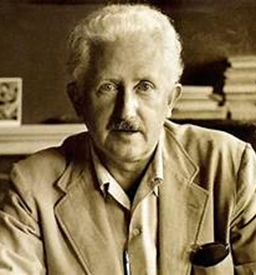
Erik Erikson, a German-American psychologist born in 1902 and passing away in 1994, is renowned for his theory of psychosocial development. Erikson proposed that individuals go through eight stages of psychosocial development across their lifespan, each characterized by a specific developmental task and a crisis that needs to be resolved.
His theory emphasizes the interplay between individual development and the social and cultural context in which it occurs. Erikson’s work has profoundly impacted developmental psychology and psychoanalysis, highlighting the importance of identity formation, social relationships, and personal growth throughout one’s life. His theories continue to be influential in understanding human development and identity formation.
Important contributions
Psychologists’ Theories on Child Development
Many famous psychologists focused on how children grow, think, learn, and build relationships.
Here is a simple comparison.
| Psychologist | Focus of the Theory |
| Jean Piaget | How children’s thinking develops through stages |
| Lev Vygotsky | Learning through social interaction |
| Erik Erikson | Emotional and social development across life |
| John Bowlby | Attachment between children and caregivers |
| Albert Bandura | Learning by observing others |
| Lawrence Kohlberg | Development of moral reasoning |
Although each psychologist had a different perspective, together they showed that child development is influenced by thinking, emotions, relationships, learning, and the environment.
These psychologists’ theories on child development continue to guide teachers, parents, counselors, and researchers around the world.
Which Psychological Theories Are Still Used Today?
Many early theories have been updated with new research, but they still influence modern psychology.
For example:
- Piaget’s ideas help teachers create age-appropriate lessons.
- Bandura’s research explains how role models and media affect behavior.
- Bowlby’s Attachment Theory guides child and family therapy.
- Skinner’s reinforcement principles are used in education and behavior therapy.
- Rogers’ person-centered approach remains one of the most respected forms of counseling.
- Maslow’s Hierarchy of Needs is widely applied in education, healthcare, and leadership.
Modern psychologists often combine ideas from several theories instead of relying on just one. They also continue to test these theories using new scientific methods and evidence.
How Do Psychologists Test Their Theories?
Psychological theories are not accepted simply because someone has an interesting idea. Researchers must collect evidence to show whether a theory accurately explains human behavior.
In other words, psychologists test their theories by using the scientific method.
The scientific method helps researchers make fair, careful, and repeatable observations.
Instead of guessing, psychologists gather facts and analyze the results.
Describe How Psychologists Test Theories
If someone asks you to describe how psychologists test theories, the answer is simple:
They use research to find out whether the evidence supports their ideas.
Most psychologists follow these basic steps.
1. Make an Observation
Everything begins with a question.
For example:
- Why do children learn languages so quickly?
- Why do some people develop anxiety after stressful events?
- Why do rewards improve learning?
Observations like these inspire new research.
2. Develop a Theory
After reviewing existing research, psychologists create a theory that explains the behavior they observed.
A good theory should explain the evidence and make predictions that can be tested.
For example:
A psychologist might predict that children who receive positive encouragement will become more confident learners.
3. Create a Hypothesis
A hypothesis is a specific prediction based on the theory.
For example:
“Students who receive positive feedback after completing homework will participate more often in class.”
Unlike a general idea, a hypothesis can be tested through research.
4. Conduct Research
Psychologists collect evidence using different research methods.
Some of the most common methods include:
Experiments
Researchers change one factor while keeping other factors the same.
This helps them discover whether one variable causes another.
Example:
A psychologist studies whether regular exercise reduces stress by comparing two groups of participants.
Surveys and Questionnaires
Researchers ask people about their thoughts, emotions, experiences, or behaviors.
Surveys are useful when studying large groups.
Observations
Instead of asking questions, psychologists carefully watch how people behave in real-life situations.
For example, researchers may observe how children interact during play.
Interviews
Interviews allow psychologists to explore people’s experiences in greater detail.
This method is especially useful in counseling and clinical psychology.
Case Studies
Sometimes psychologists study one individual or a small group very closely.
Case studies can provide valuable insights into rare conditions or unusual behaviors.
5. Analyze the Results
After collecting information, psychologists analyze the data.
They look for patterns and determine whether the evidence supports the original theory.
Sometimes the results confirm the theory.
Other times, researchers discover that the theory needs to be improved or even replaced.
6. Repeat the Research
One successful study is usually not enough.
Other psychologists repeat the research with different participants and in different settings.
If similar results continue to appear, researchers become more confident that the theory is reliable.
This process helps psychology remain a scientific field rather than relying on personal opinions.
What Do Psychologists Do to Test Their Theories?
Many students ask, “What do psychologists do to test their theories?”
The answer is that psychologists collect evidence instead of relying on assumptions.
They may:
- Design scientific experiments.
- Observe human behavior.
- Conduct interviews.
- Distribute questionnaires.
- Compare different groups of people.
- Measure emotions, memory, learning, or decision-making.
- Analyze research using statistical methods.
- Repeat studies to check whether the findings remain consistent.
- Share their work with other scientists for review.
This careful process helps ensure that psychological theories are based on evidence rather than personal beliefs.
Why Is Evidence So Important in Psychology?
Without evidence, psychology would be based only on opinions.
Scientific evidence helps psychologists:
- Understand human behavior more accurately.
- Develop better mental health treatments.
- Improve classroom teaching.
- Support healthy child development.
- Help organizations build better workplaces.
- Create effective therapy techniques.
As new discoveries are made, older theories are often updated.
This is one reason psychology continues to grow as a science.
How Modern Psychology Builds on Famous Theories
The famous psychologists discussed in this guide gave us important ideas, but psychology has continued to evolve.
Today, researchers combine knowledge from neuroscience, genetics, biology, education, and technology to better understand the human mind.
For example:
- Brain imaging helps researchers study memory and emotions.
- Developmental psychologists continue to expand on Piaget’s and Vygotsky’s work.
- Modern therapists often combine ideas from Rogers, Skinner, Bandura, and cognitive psychology.
- Attachment Theory is supported by decades of additional research.
- Learning theories continue to improve teaching methods in schools and universities.
Rather than choosing only one theory, modern psychologists often use the strengths of several approaches together.
Real-Life Examples of Psychological Theories
These theories are not just found in textbooks—they influence everyday life.
In Schools
Teachers use Piaget’s stages of cognitive development to design age-appropriate lessons.
They also use positive reinforcement from Skinner’s theory to encourage learning.
At Home
Parents apply Attachment Theory by building loving and supportive relationships with their children.
Many also encourage learning through modeling, an idea introduced by Bandura.
In Counseling
Therapists use Rogers’ person-centered approach to create a safe environment where clients feel respected and understood.
Some therapists also explore childhood experiences, reflecting ideas introduced by Freud, while relying on modern, evidence-based practices.
In the Workplace
Managers motivate employees by recognizing achievements, setting goals, and creating supportive environments.
These practices reflect ideas from Maslow’s Hierarchy of Needs and behaviorist theories.
Why Learning About Famous Psychologists Matters
Understanding famous psychologists helps us understand ourselves.
Their theories explain:
- How people learn.
- Why emotions matter.
- How personalities develop.
- Why relationships are important.
- How motivation affects success.
- How childhood experiences influence later life.
- Why people make different decisions.
- How therapy helps improve mental health.
Even though some theories are more than 100 years old, many continue to inspire new research and practical applications.
Frequently Asked Questions
Who is the most famous psychologist?
Many people consider Sigmund Freud the most famous psychologist because his ideas about the unconscious mind influenced psychology around the world. However, psychologists such as Jean Piaget, B.F. Skinner, Albert Bandura, Carl Rogers, and William James have also made lasting contributions.
Which psychologist developed the theory of child development?
Several psychologists contributed to child development research.
Jean Piaget explained how children’s thinking develops through stages, while Lev Vygotsky emphasized social learning. Erik Erikson focused on emotional development, and John Bowlby studied attachment between children and caregivers.
Which psychological theory is most widely used today?
There is no single theory used in every situation.
Modern psychology combines ideas from cognitive psychology, behavioral psychology, humanistic psychology, developmental psychology, and neuroscience to understand human behavior more completely.
Why are psychological theories important?
Psychological theories help researchers understand why people think, feel, and behave in certain ways.
They also guide therapy, education, parenting, healthcare, and scientific research.
Are all psychological theories scientifically proven?
Not all theories have the same level of scientific support.
Some early theories have been revised as new evidence became available, while others continue to receive strong support through modern research.
Psychology grows by testing ideas and updating knowledge over time.
What do psychologists do to test their theories?
Psychologists use scientific research methods such as experiments, observations, surveys, interviews, and statistical analysis to determine whether evidence supports their theories. They also repeat studies and encourage independent researchers to verify the findings.
Key Takeaways
- Psychological theories explain why people think, feel, and behave in certain ways.
- Famous psychologists developed ideas that continue to influence education, therapy, healthcare, and everyday life.
- Freud explored the unconscious mind, while Jung expanded ideas about personality and symbols.
- Pavlov, Watson, Thorndike, and Skinner explained how learning is shaped by experiences and the environment.
- Piaget, Vygotsky, Erikson, Bowlby, and Kohlberg improved our understanding of child development.
- Bandura showed that people learn by observing others.
- Rogers and Maslow emphasized personal growth, empathy, and human potential.
- William James helped establish psychology as a practical scientific discipline.
- Modern psychology combines insights from many theories and continues to test them through scientific research.
Final Thoughts
The history of psychology is filled with remarkable thinkers who changed the way we understand the human mind.
Each of these famous psychologists offered a different perspective on learning, personality, emotions, motivation, relationships, and development. Although no single theory explains every aspect of human behavior, together they provide a strong foundation for modern psychology.
Researchers continue to build on these ideas, testing them with new methods and improving them as scientific evidence grows. This ongoing process helps psychology remain a dynamic and evidence-based field.
Whether you are studying psychology for school, preparing for an exam, working in education or healthcare, or simply curious about human behavior, learning about these psychologists and their theories is an excellent place to begin. Their work continues to shape how we teach, learn, support mental health, and understand ourselves and others.

Maria holds an MS in Psychology with a specialization in Social Psychology. She is a research-oriented writer with a strong academic background in psychological and behavioral sciences. Her work focuses on bridging academic research and public understanding by simplifying complex psychological theories and social dynamics. She writes about the relationship between society, mental health, and human behavior, making evidence-based ideas more accessible and practical for readers.