Compartmentalization in psychology is a defense mechanism in which a person mentally separates conflicting thoughts, emotions, beliefs, or experiences to reduce emotional distress. While it can temporarily help people cope with stress or trauma, excessive compartmentalization may interfere with emotional processing, relationships, and overall mental well-being.
Life can get really messy sometimes. You might be fighting with a family member, but five minutes later, you have to sit down and do math homework. How does your brain handle all those different feelings? It uses a clever trick called compartmentalization in psychology.
Think of your brain as a big house with many rooms. When you use compartmentalization, you put sad thoughts in one room, work stress in another, and happy family time in a third room. You close the door to the rooms you don’t want to visit right now. This helps you focus on whatever you are doing without getting overwhelmed by everything else going on in your life.
This article will explain what compartmentalization means in psychology, give real compartmentalization psychology examples, and show how this defense mechanism affects your relationships.
What Is Compartmentalization in Psychology
Compartmentalization in psychology is a mental trick your brain uses to stay calm. It is a psychological defense mechanism, which is just a fancy way of saying it protects you from stress or worry.
Imagine you have a big test coming up, but you also just had an argument with your best friend. If you thought about both things at the same time, you might feel too upset to study. So, your brain helps you “put” the friendship problem into a mental box and close the lid. You tell yourself, “I will think about that later.” Right now, you can only focus on studying.
Dr. Philip Zimbardo, a famous psychologist, explains that this strategy allows people to deal with complex and possibly conflicting parts of life without breaking down. It allows you to hold two opposing feelings—like “I am sad” and “I need to work”—without going crazy.
Is It a Conscious Choice?
Most of the time, this happens automatically. You don’t even realize you are doing it. However, sometimes people do it on purpose to get through a tough moment.
Definition of Compartmentalization
If you look up the psychological definition of compartmentalization, here is what you will find:
Compartmentalization is a defense mechanism where a person separates different thoughts, emotions, or experiences to reduce stress and mental discomfort.
That is the academic way of saying it. But what does that really mean?
Coping with Emotional Conflict
We all have “emotional compartmentalization” when our feelings clash. For example, imagine you love your grandparent very much, but you are also angry at them for missing your birthday. Those two feelings don’t match. It feels weird to love and be angry at the same time. To stop feeling confused, your brain might push the anger into a compartment so you only feel the love.
This is how the mind copes with emotional conflict. It keeps you from feeling “cognitive dissonance”—which is just a fancy term for having a headache because your thoughts don’t line up.
Real-Life Examples of Compartmentalization
Compartmentalization psychology examples are everywhere. You probably see them every day without knowing it.
Work vs. Personal Life
This is the most common example. Think of a parent who is a nurse. At work, they might see very sick patients. They have to be strong and professional. They put their worry away so they can help others. Then, they drive home, open the front door, and immediately become “Mom” or “Dad.” They stop being a nurse and start playing with their kids. They have closed the “work door” and opened the “family door”.
Relationships
Have you ever been annoyed by your sibling but decided to ignore it so you could finish watching a movie together? That is a mild form of compartmentalization in relationships. You put the annoyance in a box so it doesn’t ruin the fun.
Sometimes, people in bad relationships use this to survive. They put all the bad stuff (fights, mean words) into a box and lock it so they can still enjoy the good times. This can be dangerous because it stops them from seeing the truth.
Trauma or Stressful Situations
Soldiers and first responders (like firefighters) use this a lot. If a firefighter saw something scary, they cannot cry about it while driving the firetruck to the next call. They compartmentalize the scary memory so they can stay focused. They promise to look at that “box” later when they are safe at home.
Why Do People Compartmentalize
People don’t compartmentalize because they are weak or weird. They do it because their brain is trying to be helpful.
- To manage stress: If you felt every single emotion at 100% all day, you would be exhausted. Compartmentalization lowers the volume on stress so you can finish your tasks.
- To handle emotional conflict: As mentioned earlier, it stops the headache of believing two opposite things at the same time.
- To survive trauma: For people who have gone through very painful events, this is a shield. It blocks the pain so they can keep living their life without breaking down completely.
- For Self-Protection: It allows you to keep going even when you feel like giving up. It is a mental suit of armor.
Positive Effects of Compartmentalization
Is compartmentalization bad? Not always. In fact, it is a very useful tool when used correctly.
Helps Manage Stress
Emotional coping mechanisms like this one help high-performing people succeed. A surgeon needs to cut into a patient. She cannot cry or shake because she is nervous. She compartmentalizes her fear so her hands stay steady. This saves lives.
Temporary Emotional Protection
Think of it like a bandage. If you cut your finger, you put a bandage on it so you can keep using your hand while it heals. Compartmentalization is a bandage for your brain. It protects the “wound” (the bad feeling) so you can keep functioning until you have time to properly clean and heal the wound later.
Negative Effects of Compartmentalization
While it helps in the short term, living in “boxes” forever can break you.
Emotional Disconnection
If you keep putting your feelings in boxes, you might forget where you put them. Eventually, you might stop feeling much of anything. You become “numb.” You might not feel sad, but you also might stop feeling really happy.
Relationship Problems
This is a big one. Imagine your partner tries to talk to you about something you did that hurt them. If you compartmentalize that conversation and put it in a “fight box” and ignore it, the problem never gets solved. Over time, the other person feels ignored and unloved. This is how compartmentalization in relationships leads to breakups.
Long-Term Mental Stress
Those boxes fill up. You can only stuff so many feelings into a closet before the door bursts open. When that happens, you might have a panic attack or a mental breakdown. Unprocessed trauma can turn into PTSD (Post-Traumatic Stress Disorder) if you never open the boxes to sort through the mess.
Compartmentalization in Relationships
Compartmentalization in relationships deserves its own section because it is both very common and very dangerous.
Romantic Relationships
Have you heard of someone who cheats on their partner but acts like a perfect angel at home? They are using compartmentalization. They put their “cheating life” in one box and their “home life” in another. Because the boxes never touch, they don’t feel guilty in the moment.
For the person on the receiving end, dating someone who compartmentalizes is hard. You might feel like you are dating a robot. When you try to bring up an issue, they might say, “I don’t want to talk about this now” or “That’s not important.” They are shutting the door on you.
Read more: The Psychology Behind Losing Interest in Love: A Complete Breakdown
Family Relationships
In families, a parent might compartmentalize their work stress. When they come home, they are “fine,” but actually, they are very tense. The kids might feel that tension even if the parent doesn’t talk about it. It creates a weird, fake feeling in the house.
Mel Schwartz, a relationship expert, says that trying to separate your problems from your partner’s problems is an “illusion.” In a healthy relationship, you face the mess together instead of hiding it in separate rooms.
How to Stop or Manage Compartmentalization
You don’t need to destroy your boxes completely—sometimes you need them. But you need to learn how to open them.
1. Build Self-Awareness
The first step is noticing when you are doing it. Ask yourself: “Am I avoiding a bad feeling right now?” or “Why can’t I focus on my happy family time? Oh wait, because I’m worried about money.” Just naming the feeling takes it out of the box.
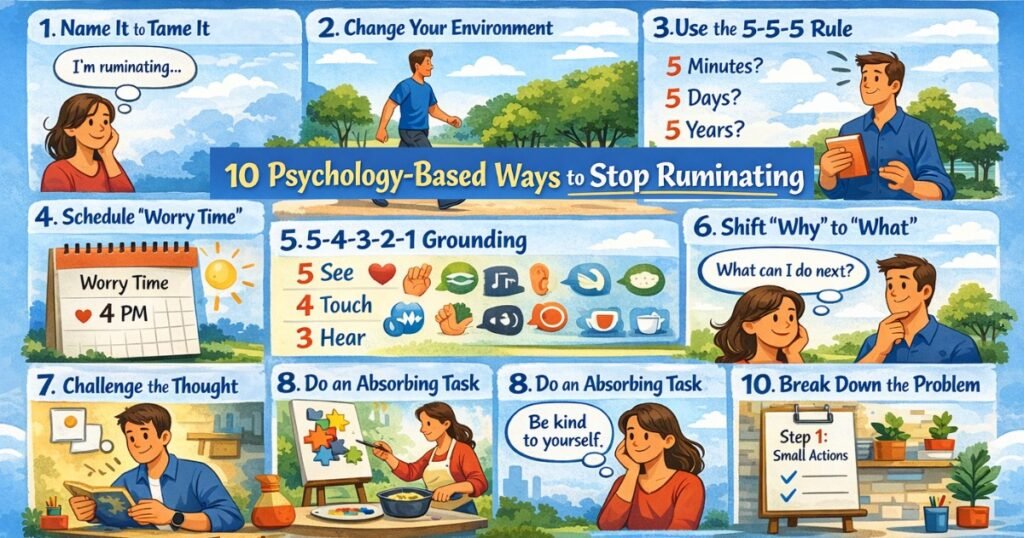
2. Schedule “Worry Time”
This sounds silly, but it works. Tell yourself, “Okay, I will put this stress in a box until 5:00 PM. At 5:00 PM, I will sit down for 15 minutes and worry about it on purpose.” When 5:00 comes, open the box, feel the feeling, write it down, and then close it again. This stops the feeling from leaking out randomly.
3. Emotional Communication
If you are in a relationship, you have to open the box with your partner. Use “I feel” statements. Instead of yelling, “You made me angry!” try, “I feel hurt when you ignore our problems. Can we talk for five minutes?” You have to let the other person see what is in your head.
4. Therapy
A therapist is like a professional organizer for your brain. They help you open the old, dusty boxes from years ago (trauma) that you are too scared to open yourself. Therapy models like Internal Family Systems (IFS) are great for this because they help you talk to the different “parts” or “compartments” of yourself.
Read more: How Psychotherapy Helps in Building Healthy Relationships
Conclusion
Compartmentalization in psychology is simply your brain’s way of putting life into different boxes. It is a defense mechanism that helps you survive a tough math test or a scary emergency. It is a great tool for managing stress in the short term.
However, if you never clean out those boxes, you will become emotionally disconnected and your relationships will suffer. The healthiest people know how to use the boxes to stay focused, but they also know when to open the boxes, feel their feelings, and share them with the people they love.
Don’t let your brain become a hoarder’s house of locked closets. Open a box today—just a little bit. You will feel lighter.
Frequently Asked Questions (FAQ)
1. Is compartmentalization the same as denial?
No, but they are cousins. Denial is when you refuse to believe a fact is true (“I don’t have a drinking problem”). Compartmentalization is admitting the fact is true but putting it in a box so you don’t have to deal with it right now (“I know I have a drinking problem, but I need to go to work, so I won’t think about it until later”).
2. Is compartmentalization a sign of intelligence?
Not exactly. While many smart people use it to focus, overusing it is a sign of avoiding reality. Truly intelligent people know when to compartmentalize (to focus on work) and when to integrate (to cry when they are sad).
3. Can children compartmentalize?
Yes. Children who grow up in chaotic or abusive homes often become experts at emotional compartmentalization. They go to school and act like everything is fine, even if they were scared at home. It helps them survive, but they often need therapy as adults to unpack those boxes.
4. How do I know if I am compartmentalizing too much?
Ask your body. If you feel tired all the time, get headaches, or feel “numb” or bored often, you might be working too hard to keep those boxes shut. Also, if people tell you that you seem “cold” or “distant,” that is a big sign.
5. What is the opposite of compartmentalization?
The opposite is integration. This is when you can look at your whole self—the good, the bad, the work-stress, and the family-love—all at once, and feel at peace with it. You accept that life is messy and you don’t have to hide the mess.

Maria holds an MS in Psychology with a specialization in Social Psychology. She is a research-oriented writer with a strong academic background in psychological and behavioral sciences. Her work focuses on bridging academic research and public understanding by simplifying complex psychological theories and social dynamics. She writes about the relationship between society, mental health, and human behavior, making evidence-based ideas more accessible and practical for readers.