Quick Answer: There is no official national Women’s Mental Health Month in the United States. However, many organizations recognize March as Women’s Mental Health Awareness Month through education and awareness campaigns. At the same time, May is officially observed as Mental Health Awareness Month and Women’s Health Month, making it an important time to focus on women’s mental well-being too.
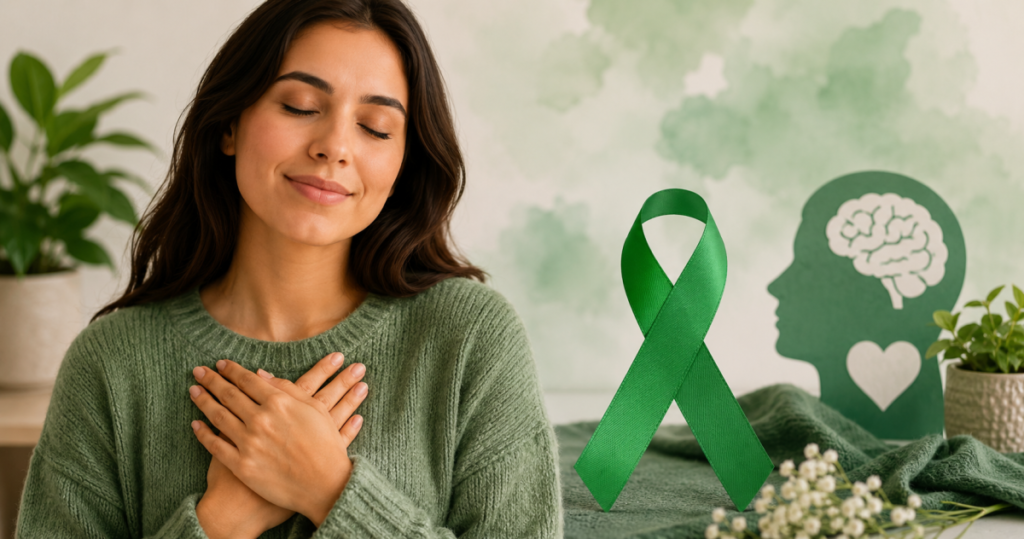
When Is Women’s Mental Health Month?
Many people search for “when is women mental health month” because they want to know the official month dedicated to women’s mental well-being. The answer is a little more complicated than it seems.
Unlike Mental Health Awareness Month, there is no single national month officially recognized by the U.S. government as Women’s Mental Health Month.
Even so, women’s mental health receives attention during different times of the year. Healthcare organizations, mental health professionals, and community groups often run awareness campaigns to educate people about the unique mental health challenges women face.
If you’re wondering when is mental health month for women, the answer depends on which awareness campaign you’re referring to.
- March is often recognized by advocacy groups as Women’s Mental Health Awareness Month (source).
- May is officially observed as Mental Health Awareness Month in the United States (source).
- May is also recognized as Women’s Health Month, which includes conversations about emotional and mental well-being.
Together, these observances encourage people to learn about mental health, reduce stigma, and support women who may be struggling.
Is There an Official Women’s Mental Health Month?
The short answer is no.
There is no federally designated Women’s Mental Health Month in the United States. You won’t find an official proclamation that sets aside one specific month only for women’s mental health.
This often causes confusion because many websites, hospitals, universities, and advocacy groups use different names for awareness campaigns throughout the year.
Some organizations focus on mental health during March, while others include women’s mental health activities during Mental Health Awareness Month in May.
Instead of looking for one official month, it’s more helpful to understand that women’s mental health is promoted through several national health observances.
These campaigns all share the same goal:
- Help people recognize mental health problems.
- Encourage women to seek support early.
- Reduce the stigma around mental illness.
- Share reliable information and resources.
- Promote healthy habits that support emotional well-being.
Mental health is important every day of the year, but these awareness events help bring more attention to issues that often go unnoticed.
When Is Women’s Mental Health Awareness Month?
If someone asks, “When is women’s mental health awareness month?”, the most common answer is March.
Many mental health organizations, hospitals, counselors, and advocacy groups use March to highlight the importance of women’s emotional well-being. During this time, they may organize educational events, share mental health resources, and encourage open conversations about common mental health conditions that affect women.
Although March is widely recognized by many organizations, it is not an official nationwide observance in the United States. That is why you may see different answers when searching online.
At the same time, May also plays a major role because it includes two nationally recognized health observances:
- Mental Health Awareness Month, which raises awareness about mental health for everyone.
- Women’s Health Month, which encourages women to care for their physical and mental health.
For many healthcare providers, May becomes another important time to talk about depression, anxiety, stress, postpartum mental health, menopause-related emotional changes, and overall well-being.
Because of this overlap, both March and May are important months for promoting women’s mental health.
Why Do Different Websites Give Different Dates?
If you’ve searched online, you’ve probably noticed that different websites give different answers.
Some say March.
Others say May.
Some even mention both months.
This happens because different organizations focus on different awareness campaigns.
For example:
- Advocacy groups often recognize March as Women’s Mental Health Awareness Month.
- National mental health organizations promote Mental Health Awareness Month in May.
- Women’s health organizations celebrate Women’s Health Month in May, which also includes mental and emotional health.
These observances are not competing with each other. Instead, they work together to encourage people to pay attention to women’s mental well-being throughout the year.
The most important thing to remember is that there is no single official Women’s Mental Health Month recognized nationwide. Instead, multiple awareness campaigns help educate the public and encourage women to seek support when they need it.
Why Is Women’s Mental Health So Important?
Women’s mental health deserves special attention because women experience unique life events, hormonal changes, family responsibilities, and social pressures that can affect emotional well-being.
For example, many women may experience mental health challenges during:
- Pregnancy
- After childbirth
- Menopause
- Caregiving responsibilities
- Major life changes
- Stress at work or home
Women are also more likely than men to experience certain mental health conditions, including anxiety and depression. Early support, healthy coping skills, and access to professional care can make a meaningful difference.
Recognizing awareness months helps start conversations, reduce stigma, and remind women that seeking help is a sign of strength not weakness.
Common Mental Health Challenges Women Face
Every woman has a different life story, but many face mental health challenges at some point. These challenges can affect how a woman thinks, feels, and handles daily life.
The good news is that mental health conditions are treatable. Getting support early can make a big difference.
Here are some of the most common mental health concerns that affect women.
Anxiety Disorders
Anxiety is one of the most common mental health conditions among women. While it’s normal to feel worried sometimes, anxiety becomes a problem when fear or worry feels constant and starts affecting daily life.
A woman with an anxiety disorder may experience:
- Constant worrying
- Feeling restless or nervous
- Trouble sleeping
- Difficulty concentrating
- A racing heart or shortness of breath
- Panic attacks
Anxiety can develop because of many factors, including genetics, stress, hormonal changes, trauma, or major life events.
Depression
Depression is more than feeling sad for a few days. It is a medical condition that can affect emotions, thoughts, energy, and daily activities.
Common signs of depression include:
- Feeling sad or empty most of the time
- Losing interest in favorite activities
- Feeling tired every day
- Changes in appetite or sleep
- Trouble concentrating
- Feeling hopeless or guilty
Depression can happen at any age. Life events such as pregnancy, childbirth, menopause, relationship problems, or the loss of a loved one may increase the risk for some women.
Postpartum Depression
Many new mothers experience mood changes after giving birth. While mild “baby blues” often go away within two weeks, postpartum depression is more serious and may last much longer.
Symptoms may include:
- Feeling very sad or anxious
- Crying often
- Trouble bonding with the baby
- Feeling overwhelmed
- Changes in sleep or appetite
- Feeling hopeless
Postpartum depression is a medical condition—not a sign of weakness or poor parenting. Early treatment can help mothers recover and care for themselves and their babies.
Stress and Burnout
Many women balance work, family, school, caregiving, and household responsibilities at the same time. Managing many roles without enough rest can lead to chronic stress or burnout.
Signs of burnout include:
- Constant exhaustion
- Feeling emotionally drained
- Losing motivation
- Becoming easily irritated
- Difficulty focusing
Learning to set healthy boundaries, ask for help, and make time for self-care can reduce stress over time.
Eating Disorders
Eating disorders can affect people of all ages and body sizes, but they are more commonly diagnosed in women.
These conditions involve unhealthy thoughts and behaviors related to food, eating, and body image.
Examples include:
- Anorexia nervosa
- Bulimia nervosa
- Binge-eating disorder
Professional treatment often includes medical care, nutrition support, and mental health therapy.
Why Women May Face Unique Mental Health Challenges
Mental health is influenced by many factors. For women, certain experiences can increase the risk of emotional difficulties.
Hormonal Changes
Hormones affect both the body and the brain.
Mental health symptoms may change during:
- Puberty
- Menstrual cycles
- Pregnancy
- After childbirth
- Perimenopause
- Menopause
Not every woman experiences mental health problems during these stages, but hormonal changes can affect mood for some people.
Social Expectations
Women often feel pressure to succeed in many different roles.
Some may feel expected to:
- Build a successful career
- Care for children
- Support aging parents
- Manage household responsibilities
- Meet unrealistic beauty standards
Trying to meet many expectations at once can increase stress and emotional exhaustion.
Trauma and Violence
Women are more likely to experience certain forms of violence and abuse, including domestic violence and sexual assault. These experiences can increase the risk of anxiety, depression, and post-traumatic stress disorder (PTSD).
Recovery is possible, especially with timely support from healthcare professionals, counselors, and trusted loved ones.
Financial and Workplace Stress
Financial concerns, job insecurity, workplace discrimination, or unequal opportunities can also affect mental well-being.
Even positive life changes, such as starting a new job or becoming a parent, can sometimes bring unexpected emotional challenges.
Signs That Someone May Need Mental Health Support
Everyone has difficult days, but ongoing symptoms should not be ignored.
A woman may benefit from professional support if she experiences:
- Persistent sadness lasting more than two weeks
- Constant worry or fear
- Extreme mood changes
- Difficulty sleeping for a long time
- Loss of interest in daily activities
- Problems at work, school, or home because of emotional distress
- Feeling isolated from family or friends
- Changes in eating habits
- Feeling overwhelmed most days
If these symptoms continue or become worse, speaking with a healthcare provider or licensed mental health professional is an important step.
How to Support Women’s Mental Health
Supporting women’s mental health doesn’t always require big changes. Small, consistent actions can have a positive impact.
Talk Openly About Mental Health
Many women hesitate to ask for help because they fear being judged.
Listening without criticism and encouraging honest conversations can make someone feel supported.
Encourage Professional Help
Therapists, psychologists, psychiatrists, counselors, and primary care providers can help identify mental health concerns and recommend appropriate treatment.
Seeking professional care is a sign of strength, not weakness.
Build Healthy Daily Habits
Healthy routines support both physical and mental well-being.
Helpful habits include:
- Getting enough sleep
- Eating balanced meals
- Staying physically active
- Spending time outdoors
- Limiting alcohol and avoiding recreational drugs
- Practicing relaxation techniques such as deep breathing or mindfulness
These habits are not replacements for treatment, but they can support overall mental health.
Stay Connected
Strong relationships can help reduce feelings of loneliness.
Simple ways to stay connected include:
- Calling a friend
- Spending time with family
- Joining a support group
- Participating in community activities
- Talking with someone you trust
Feeling connected to others can improve emotional resilience during stressful times.
Learn the Warning Signs
Understanding the symptoms of anxiety, depression, burnout, and other mental health conditions makes it easier to recognize when someone may need help.
Early support often leads to better outcomes.
Why Awareness Months Matter
Awareness months do more than add dates to a calendar. They create opportunities to educate people, reduce stigma, and remind women that mental health deserves the same attention as physical health.
Campaigns held during March and May encourage communities, healthcare providers, schools, and workplaces to share reliable information and promote early support. They also help people understand that mental health challenges are common and that effective treatments are available.
Most importantly, these observances remind women that they do not have to face emotional struggles alone. With the right support, many people recover, build healthy coping skills, and lead fulfilling lives.
Helpful Resources for Women’s Mental Health
If you or someone you know is struggling with mental health, reaching out for support is an important first step. Many trusted organizations provide free information, educational tools, and ways to find professional he
Some reliable resources include:
- National Institute of Mental Health (NIMH): Information about mental health conditions, treatments, and research.
- Substance Abuse and Mental Health Services Administration (SAMHSA): Mental health education and treatment resources.
- Office on Women’s Health (U.S. Department of Health and Human Services): Information about women’s physical and mental health.
- 988 Suicide & Crisis Lifeline (United States): Immediate support for people experiencing emotional distress or a mental health crisis.
If you’re outside the United States, contact your country’s healthcare services or a licensed mental health professional for local support.
Important: This article is for educational purposes only and should not replace medical advice. If you have ongoing mental health concerns, speak with a qualified healthcare provider or licensed mental health professional.
Frequently Asked Questions
1. Is there an official Women’s Mental Health Month?
No. There is no officially designated Women’s Mental Health Month recognized nationwide in the United States. However, many organizations observe Women’s Mental Health Awareness Month in March, while mental health and women’s health are also highlighted during May.
2. When is mental health month for women?
Women’s mental health is promoted throughout the year, but the two most recognized periods are:
- March, when many advocacy groups observe Women’s Mental Health Awareness Month.
- May, during Mental Health Awareness Month and Women’s Health Month.
Both observances encourage education, awareness, and access to mental health support.
3. When is Women’s Mental Health Awareness Month?
Many healthcare providers, advocacy groups, and community organizations recognize March as Women’s Mental Health Awareness Month. Although it is widely observed, it is not an official federal observance in the United States.
4. Is Women’s Health Month the same as Women’s Mental Health Month?
No.
Women’s Health Month focuses on many aspects of health, including preventive care, physical health, reproductive health, and mental well-being.
Women’s Mental Health Awareness Month specifically highlights emotional and psychological health. While the topics overlap, they are not the same observance.
5. Why is women’s mental health important?
Mental health affects every part of life, including relationships, work, school, parenting, and physical health.
Women may experience unique challenges related to hormonal changes, pregnancy, postpartum recovery, menopause, caregiving responsibilities, trauma, and social pressures. Raising awareness helps reduce stigma and encourages women to seek support when needed.
6. What are the most common mental health conditions affecting women?
Some of the most common conditions include:
- Anxiety disorders
- Depression
- Postpartum depression
- Eating disorders
- Post-traumatic stress disorder (PTSD)
- Chronic stress and burnout
These conditions are common, and effective treatments are available. Early support often leads to better outcomes.
7. How can I support a woman experiencing mental health challenges?
You can help by:
- Listening without judgment.
- Encouraging professional support if needed.
- Checking in regularly.
- Learning about mental health.
- Respecting her feelings and experiences.
- Helping reduce stress when possible.
Sometimes, simply letting someone know they are not alone can make a meaningful difference.
Key Takeaways
If you’re still wondering “when is women mental health month?”, here’s a simple summary:
- There is no official national Women’s Mental Health Month in the United States.
- March is widely recognized by many advocacy groups as Women’s Mental Health Awareness Month.
- May is officially observed as Mental Health Awareness Month and Women’s Health Month, making it another important time to focus on women’s emotional well-being.
- Awareness campaigns help reduce stigma, encourage early support, and remind women that mental health is an essential part of overall health.
The exact month matters less than the message behind it: mental health deserves attention every day of the year. By learning about common challenges, recognizing early signs, and supporting one another, we can help create healthier communities where women feel comfortable asking for help and getting the care they need.
Final Thoughts
Women’s mental health is an important part of overall well-being. While there isn’t one official month dedicated solely to it, awareness campaigns throughout the year help shine a light on the challenges many women face and the available support.
Whether awareness activities take place in March, May, or another time of year, their purpose is the same: to encourage open conversations, reduce stigma, and remind women that seeking help is a positive step toward better health.
If you or someone you care about is experiencing ongoing feelings of anxiety, depression, or emotional distress, don’t wait to reach out. Support from trusted family members, friends, healthcare providers, or licensed mental health professionals can make a real difference.

Maria holds an MS in Psychology with a specialization in Social Psychology. She is a research-oriented writer with a strong academic background in psychological and behavioral sciences. Her work focuses on bridging academic research and public understanding by simplifying complex psychological theories and social dynamics. She writes about the relationship between society, mental health, and human behavior, making evidence-based ideas more accessible and practical for readers.