Quick Answer:
Careers in national security involve protecting a country’s people, information, and important systems from threats. These careers include intelligence analysis, cybersecurity, emergency management, border security, law enforcement, military service, and policy planning. People working in these roles need strong problem-solving skills, good judgment, emotional resilience, and a commitment to public service.
Careers in National Security: More Than Just a Job
When most people hear the words careers in national security, they think of spies, soldiers, or secret government missions. While these jobs are part of national security, the field is much broader. It includes people who protect computer networks from cyberattacks, analyze intelligence, respond to natural disasters, secure borders, and help leaders make decisions that keep the country safe.
National security professionals often work behind the scenes. Their efforts may not make headlines, but they play an important role in protecting lives, critical infrastructure, and national interests every day.
These careers can be exciting and rewarding, but they also come with real responsibilities. Some jobs require quick decisions under pressure, handling sensitive information, or working long hours during emergencies. Because of this, national security careers demand not only technical knowledge but also emotional strength and resilience.
In this guide, you’ll learn what careers in national security involve, the different job options available, the education and skills employers look for, and the psychological challenges professionals may face. Whether you’re a student exploring future opportunities or someone thinking about changing careers, this article will help you understand what to expect.
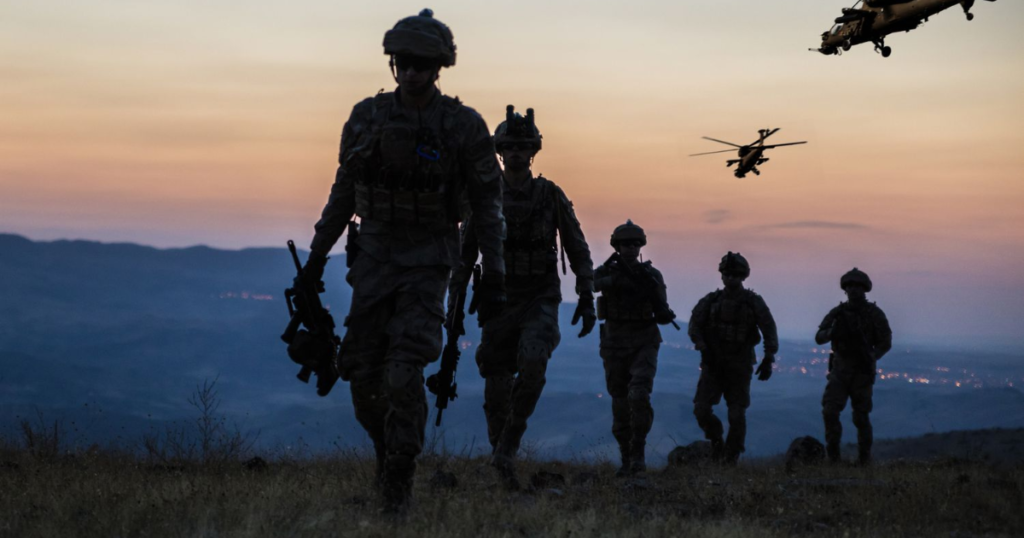
What Are Careers in National Security?
Careers in national security involve protecting a nation from threats that could harm its people, economy, government, or critical infrastructure. These threats can come from many sources, including cybercrime, terrorism, espionage, natural disasters, organized crime, and foreign conflicts.
People in national security work together to prevent risks from becoming serious problems. Some collect and study information through defense analysis and intelligence gathering to understand possible dangers. Others build secure computer systems, protect transportation networks, assist during emergencies, or create policies that improve national safety.
National security is no longer limited to the military. As technology has become a bigger part of daily life, cybersecurity, digital intelligence, and information protection have become just as important as traditional defense.
No matter the role, every professional shares one common goal: helping protect the country and the people who live in it.
Why Careers in National Security Matter
Every country faces challenges that can affect public safety, economic stability, and national well-being. These challenges may include cyberattacks, terrorism, health emergencies, natural disasters, or attacks on important infrastructure like power grids and communication systems.
Professionals working in national security help prepare for these risks before they grow into larger problems. Their work supports communities, businesses, emergency services, and government organizations by improving readiness and reducing potential harm.
Here are some of the ways national security professionals make a difference:
- Protect government systems from cyber threats.
- Analyze information to identify possible security risks.
- Respond quickly during emergencies and disasters.
- Help protect airports, ports, and border crossings.
- Support law enforcement with intelligence and investigations.
- Develop policies that strengthen national preparedness.
- Protect critical infrastructure such as transportation, energy, and communication networks.
Many of these responsibilities happen behind the scenes. Although the public may never see their work, these professionals help create safer communities and support a country’s long-term security.
Types of Careers in National Security
One of the biggest advantages of working in national security is the wide variety of career paths available. Whether you enjoy technology, research, public service, healthcare, engineering, or psychology, there may be a role that matches your interests and skills.
Below are some of the most common careers in national security.
| Career | Main Responsibilities | Common Education |
| Intelligence Analyst | Studies information to identify possible threats and provide recommendations. | Political Science, International Relations, Criminal Justice, Psychology |
| Cybersecurity Specialist | Protects computer systems and sensitive data from hackers and cyberattacks. | Cybersecurity, Computer Science, Information Technology |
| Homeland Security Specialist | Helps prepare for emergencies and improves public safety programs. | Homeland Security, Emergency Management, Public Administration |
| Emergency Management Specialist | Plans for natural disasters, public emergencies, and recovery efforts. | Emergency Management, Public Administration |
| Border Security Officer | Protects national borders and helps prevent illegal activities. | Criminal Justice, Law Enforcement |
| Military Intelligence Officer | Collects and analyzes information to support military operations. | Military Training, Intelligence Studies |
| Security Consultant | Advises organizations on improving physical and digital security. | Security Management, Business, Information Security |
| Policy Analyst | Researches security issues and helps develop public policies. | Public Policy, Political Science, International Relations |
Each role contributes to national security in a different way. Some professionals work with advanced technology, while others focus on planning, research, investigations, or emergency response. Many careers also involve teamwork, communication, and problem-solving rather than direct field operations.
1. Intelligence Analyst
Intelligence analysts gather information from different sources and look for patterns that could point to future threats. They review reports, analyze data, and prepare recommendations for decision-makers.
A successful intelligence analyst is curious, detail-oriented, and able to think critically. Strong communication skills are also important because analysts must explain complex information in a clear and simple way.
2. Cybersecurity Specialist
As more services move online, protecting digital information has become one of the most important parts of national security.
Cybersecurity specialists defend computer networks against hackers, malware, ransomware, and other cyber threats. They monitor systems, identify weaknesses, and respond quickly if a security incident occurs.
People who enjoy technology, coding, and solving technical problems often find this career rewarding.
3. Homeland Security Specialist
Homeland security specialists help protect communities from many different risks, including terrorism, natural disasters, cyber threats, and public safety emergencies.
Their work often involves planning, coordinating with different organizations, improving emergency response systems, and helping communities prepare for unexpected events.
This career requires strong leadership, organization, and decision-making skills.
4. Emergency Management Specialist
Natural disasters, severe weather, disease outbreaks, and other emergencies can happen without warning.
Emergency management specialists create plans that help communities respond quickly and recover safely. They work closely with hospitals, police departments, firefighters, schools, and local governments to improve emergency preparedness.
People in this role must stay calm under pressure and communicate clearly during difficult situations.
5. Border Security Officer
Border security officers help protect a country’s borders by monitoring the movement of people and goods. They work to prevent illegal activities such as smuggling, human trafficking, and the movement of dangerous materials while supporting lawful travel and trade.
This job requires good observation skills, integrity, patience, and the ability to make fair decisions based on established procedures.
6. Military Intelligence Officer
Military intelligence officers collect and analyze information that helps military leaders make informed decisions. Their work may include studying geographic data, monitoring potential threats, evaluating security risks, and supporting mission planning.
Although some positions involve deployment, many intelligence professionals work in offices where they analyze information and prepare detailed reports.
7. Security Consultant
Not every national security professional works directly for the government.
Security consultants often help private companies, hospitals, financial institutions, technology firms, and other organizations improve their security. They identify risks, recommend solutions, and develop strategies to protect people, buildings, computer systems, and sensitive information.
Because cyber threats continue to grow, experienced security consultants are in demand across many industries.
8. Policy Analyst
Policy analysts study national and international issues that affect public safety. They research security challenges, evaluate existing policies, and suggest improvements that help governments make informed decisions.
This career combines research, writing, communication, and critical thinking. It is a good fit for people who enjoy understanding complex problems and finding practical solutions.
Is There a Best Career in National Security?
There is no single “best” career in national security. The right choice depends on your interests, strengths, education, and long-term goals.
For example:
- If you enjoy technology, cybersecurity may be a strong choice.
- If you like solving puzzles and analyzing information, intelligence analysis could be a good fit.
- If you want to help communities during emergencies, emergency management may be rewarding.
- If you’re interested in leadership and public policy, policy analysis might suit you.
The most successful professionals are often those who enjoy learning, adapt well to change, and are committed to serving others.
Skills You Need for a Career in National Security
No matter which path you choose, every career in national security requires a combination of technical knowledge, personal qualities, and practical skills. Some jobs focus on technology, while others involve research, planning, emergency response, or leadership. However, there are several skills that employers value across almost every role.
The good news is that many of these skills can be learned and improved over time through education, training, and experience.
1. Critical Thinking
National security professionals often face situations where there is no simple answer. They must look at facts, identify patterns, and make smart decisions based on the information available.
For example, an intelligence analyst may receive reports from different sources that do not fully agree. Instead of making quick assumptions, they carefully compare the information to understand what is most likely happening.
Critical thinking helps professionals make informed decisions, especially when the situation is complex or changing quickly.
2. Problem-Solving Skills
Every day brings new challenges in national security. A cyberattack may affect a government system, a natural disaster may disrupt transportation, or an emergency may require a fast response.
People working in these careers must stay calm and find practical solutions. Good problem-solvers can break large problems into smaller parts and decide what actions should come first.
3. Strong Communication
National security is a team effort. Professionals often work with people from different departments, agencies, and backgrounds.
Clear communication helps everyone understand the situation and work toward the same goal.
Good communication includes:
- Writing clear reports
- Explaining information in simple language
- Listening carefully
- Sharing accurate information
- Working respectfully with others
Even the best ideas have little value if they cannot be explained clearly.
4. Emotional Resilience
Some national security jobs can be emotionally demanding. Professionals may deal with emergencies, public safety concerns, classified information, or high-pressure situations.
Emotional resilience means staying focused during difficult moments while also knowing how to recover from stress afterward.
Being resilient does not mean ignoring emotions. It means learning healthy ways to manage pressure and continue performing effectively.
5. Ethical Decision-Making
Many national security professionals handle sensitive information or make decisions that affect public safety.
Because of this, honesty, fairness, and integrity are essential.
Employers look for people who can protect confidential information, follow laws and policies, and make responsible choices even when faced with difficult situations.
6. Teamwork
Large security challenges cannot be solved by one person alone.
Cybersecurity experts, intelligence analysts, emergency responders, engineers, healthcare workers, law enforcement officers, and policymakers often work together.
Strong teamwork helps organizations respond more effectively to threats and emergencies.
7. Adaptability
Technology changes quickly, and new security threats appear every year.
Professionals who enjoy learning new skills and adapting to change are often more successful in national security careers.
Being open to continuous learning helps you stay prepared for future challenges.
Education Requirements for Careers in National Security
There is no single degree that guarantees a career in national security. Different jobs require different educational backgrounds, depending on the role and the employer.
Many professionals combine formal education with internships, certifications, military experience, or specialized training.
Here are some of the most common fields of study.
| Degree | Common Career Paths |
| Cybersecurity | Cybersecurity Specialist, Information Security Analyst |
| Computer Science | Software Security, Digital Intelligence, Cyber Defense |
| Criminal Justice | Border Security, Law Enforcement, Homeland Security |
| Psychology | Behavioral Analysis, Intelligence Research, Human Factors |
| Political Science | Policy Analysis, Government Affairs |
| International Relations | Diplomacy, Intelligence Analysis |
| Emergency Management | Disaster Planning, Crisis Response |
| Public Administration | Government Leadership, Emergency Services |
| Engineering | Infrastructure Security, Defense Technology |
| Data Science | Intelligence Analysis, Risk Assessment |
Many employers also value practical experience. Internships, volunteer work, research projects, and entry-level positions can help candidates build real-world skills before applying for more advanced roles.
Certifications That Can Strengthen Your Career
While not every position requires professional certifications, they can demonstrate specialized knowledge and a commitment to learning.
Some popular certifications include:
- CompTIA Security+
- Certified Information Systems Security Professional (CISSP)
- Certified Ethical Hacker (CEH)
- Certified Information Security Manager (CISM)
- Project Management Professional (PMP)
- Certified Emergency Manager (CEM)
The right certification depends on your career path. For example, cybersecurity professionals often benefit from technical certifications, while emergency management specialists may pursue credentials focused on disaster planning and crisis response.
Where Can You Work in National Security?
Many people believe national security jobs only exist within the military or intelligence agencies. In reality, professionals work in many different organizations across the public and private sectors.
Possible employers include:
- Government agencies
- Military organizations
- Intelligence organizations
- Law enforcement agencies
- Emergency management departments
- Cybersecurity companies
- Defense contractors
- Research institutions
- Universities
- Transportation authorities
- Healthcare systems
- Energy and utility companies
- Financial institutions
This wide range of opportunities means people with different educational backgrounds and interests can find meaningful careers that contribute to national security.
Understanding the National Security Agency (NSA)
One of the most recognized organizations in the field is the National Security Agency (NSA).
The NSA is responsible for protecting national security by collecting and analyzing intelligence and helping secure government communication systems. It also plays an important role in cybersecurity by identifying and responding to digital threats that could affect national interests.
The agency hires professionals from many different fields, including:
- Computer science
- Mathematics
- Engineering
- Foreign languages
- Cybersecurity
- Data science
- Intelligence analysis
- Business
- Human resources
- Finance
- Psychology
- Communications
Although many people imagine only technical roles at the NSA, the organization relies on a wide variety of professionals to support its mission.
What Is the National Security Council?
The National Security Council (NSC) is a group of senior government officials who advise national leaders on matters related to national security and foreign policy.
The council helps coordinate important decisions involving defense, intelligence, diplomacy, cybersecurity, and emergency preparedness.
Rather than carrying out day-to-day operations, the National Security Council focuses on strategic planning and ensuring different government departments work together effectively during major national or international events.
Its role is especially important during crises that require cooperation between multiple agencies.
What Does a National Security Advisor Do?
The National Security Advisor is a senior official who provides advice to national leaders on security and foreign policy matters.
This position requires a deep understanding of global events, intelligence reports, military strategy, diplomacy, and public policy.
A National Security Advisor may help:
- Review intelligence reports
- Coordinate discussions between government agencies
- Provide recommendations during national emergencies
- Support long-term security planning
- Evaluate international developments
- Help leaders understand possible risks before making important decisions
Although the advisor does not directly command the military or intelligence agencies, the role is highly influential because it helps shape national security policies.
What Is a National Security Strategy?
A National Security Strategy is a long-term plan that outlines a country’s priorities for protecting its people, economy, infrastructure, and national interests.
Think of it as a roadmap that helps government agencies understand their shared goals.
A national security strategy may include plans for:
- Protecting against cyberattacks
- Strengthening border security
- Responding to natural disasters
- Preventing terrorism
- Protecting critical infrastructure
- Building partnerships with other countries
- Supporting economic security
- Preparing for future threats
These strategies are updated over time because the world continues to change. New technologies, emerging cyber threats, global health concerns, and environmental challenges all influence how governments plan for the future.
Why National Security Careers Continue to Grow
National security is no longer limited to protecting physical borders. Today, countries must also defend digital systems, financial networks, healthcare infrastructure, transportation systems, and communication technologies.
As technology advances, new career opportunities continue to emerge in areas such as:
- Artificial intelligence
- Cybersecurity
- Digital forensics
- Data analytics
- Risk management
- Infrastructure protection
- Intelligence analysis
- Emergency planning
- Space security
- Information security
People who enjoy learning, solving problems, and adapting to new challenges will likely find even more opportunities in the years ahead.
The Hidden Psychological Challenges of Careers in National Security
Many career guides focus on education, salaries, and job opportunities. These topics are important, but they often leave out another reality of working in national security the mental and emotional demands.
People in these careers often make important decisions, protect sensitive information, respond to emergencies, or prepare for events that most people never see. While the work can be meaningful and rewarding, it can also become stressful over time.
Not every professional experiences the same challenges. Much depends on the person’s role, workplace, support system, and work-life balance. However, understanding these demands before entering the field can help people prepare for a healthier and more successful career.
1. Working Under Constant Responsibility
Many national security professionals know that their work can affect public safety, government operations, or important services.
For example, an intelligence analyst may spend weeks reviewing information before making recommendations. A cybersecurity specialist may work to stop a cyberattack before it spreads. An emergency manager may help coordinate disaster response during a crisis.
Knowing that your work matters can be motivating, but it can also create pressure.
Many professionals learn healthy ways to manage this responsibility through training, teamwork, and experience.
2. Decision Fatigue
Every day, people make hundreds of small decisions.
In national security careers, some decisions may carry greater consequences. Professionals may need to review large amounts of information, identify risks, and choose the best course of action.
Over time, making many important decisions can lead to decision fatigue.
When people experience decision fatigue, they may notice:
- Difficulty concentrating
- Feeling mentally exhausted
- Slower thinking
- Reduced motivation
- Trouble making choices
Taking regular breaks, maintaining healthy routines, and working as part of a supportive team can help reduce this mental strain.
3. High Levels of Stress
Stress is a normal part of many careers, including healthcare, education, law enforcement, and national security.
In national security, stress may come from:
- Tight deadlines
- Unexpected emergencies
- Complex investigations
- Long work hours during critical situations
- Rapidly changing events
- Managing confidential information
Experiencing stress does not automatically lead to poor mental health. Many professionals handle these situations successfully because they receive training, develop resilience, and work with experienced colleagues.
The goal is not to avoid stress completely but to manage it in healthy ways.
4. Emotional Resilience
One of the most valuable qualities in national security is emotional resilience.
Resilient people can recover from setbacks, stay calm during difficult situations, and continue learning from challenges.
Emotional resilience includes:
- Staying focused under pressure
- Managing emotions in healthy ways
- Learning from mistakes
- Asking for help when needed
- Maintaining a positive outlook during challenges
Resilience is not something people are born with. It grows through experience, healthy habits, supportive relationships, and continuous learning.
5. Confidentiality Can Feel Isolating
Many national security professionals work with confidential or classified information.
Because of this, they cannot always discuss their work with family members or friends.
For some people, this creates a feeling of isolation. They may want to share a difficult experience but cannot explain the details.
Many organizations recognize this challenge and provide employee assistance programs, peer support groups, and mental health resources to help employees maintain their well-being.
6. Shift Work and Sleep Challenges
Some national security jobs operate around the clock.
Cybersecurity teams monitor systems day and night.
Emergency managers respond whenever disasters happen.
Border security professionals may work rotating shifts.
Intelligence centers often operate 24 hours a day.
Irregular work schedules can affect:
- Sleep quality
- Energy levels
- Concentration
- Mood
- Family routines
Creating healthy sleep habits whenever possible can help reduce these effects.
7. Burnout
Burnout is more than simply feeling tired after a busy week.
It develops when long-term stress is not properly managed.
Common signs include:
- Constant exhaustion
- Losing interest in work
- Feeling emotionally drained
- Difficulty concentrating
- Reduced productivity
- Increased frustration
Burnout can happen in almost any profession, especially those involving high responsibility.
Recognizing the early signs allows people to seek support before the problem becomes more serious.
Can National Security Careers Affect Mental Health?
Like many demanding professions, national security careers can affect mental well-being for some individuals.
However, it is important not to assume that everyone working in these roles will experience mental health problems.
Many professionals enjoy long, successful careers because they:
- Build healthy daily routines
- Exercise regularly
- Maintain supportive relationships
- Take vacations when possible
- Continue learning
- Ask for support when needed
- Practice healthy stress management
Good mental health is supported by both personal habits and workplace resources.
How to Stay Mentally Healthy in a National Security Career
Protecting your mental well-being is just as important as developing technical skills.
Small daily habits can make a big difference over time.
1. Prioritize Sleep
Good sleep helps improve memory, decision-making, concentration, and emotional control.
Whenever possible, aim for a consistent sleep schedule.
2. Stay Physically Active
Regular exercise supports both physical and mental health.
Even a daily walk can reduce stress and improve mood.
3. Build Strong Relationships
Friends, family members, and trusted colleagues provide valuable emotional support.
Healthy relationships help people recover from stressful experiences.
4. Keep Learning
Learning new skills builds confidence.
It also helps professionals adapt to changing technologies and security challenges.
5. Practice Healthy Stress Management
Different people manage stress in different ways.
Helpful strategies may include:
- Deep breathing
- Meditation
- Spending time outdoors
- Reading
- Hobbies
- Journaling
- Talking with trusted friends
- Professional counseling when needed
There is no single solution that works for everyone.
Finding healthy coping strategies is an important part of long-term career success.
6. Ask for Help Early
Everyone experiences difficult periods.
Seeking support is a sign of responsibility—not weakness.
Many employers provide confidential mental health services that can help employees manage stress before it becomes overwhelming.
Is a Career in National Security Right for You?
There is no perfect personality for working in national security.
People from many different backgrounds succeed in these careers.
You may enjoy this field if you:
- Like solving problems
- Enjoy learning new things
- Stay calm during challenges
- Work well with others
- Care about helping people
- Have strong ethical values
- Pay attention to details
- Can adapt to changing situations
Even if you are naturally quiet or introverted, you can still succeed. Many positions focus on research, analysis, technology, writing, or planning rather than public-facing work.
The most important qualities are integrity, curiosity, responsibility, and a willingness to keep learning.
Frequently Asked Questions
1. What are careers in national security?
Careers in national security involve protecting people, government systems, critical infrastructure, and national interests. Jobs can include intelligence analysis, cybersecurity, emergency management, border security, public policy, and many other fields.
2. Do I have to join the military to work in national security?
No. Many professionals work in civilian government agencies, private companies, research organizations, universities, healthcare systems, and nonprofit organizations.
3. What degree is best for national security careers?
There is no single best degree. Common choices include cybersecurity, computer science, psychology, criminal justice, political science, emergency management, engineering, and international relations.
4. What skills are most important?
Critical thinking, communication, ethical decision-making, adaptability, teamwork, emotional resilience, and problem-solving are valuable in nearly every national security career.
5. Can psychology help in national security careers?
Yes. Psychology helps professionals understand human behavior, improve decision-making, strengthen communication, manage stress, build resilience, and support effective leadership. It is also valuable in intelligence analysis, crisis response, negotiation, and organizational performance.
Final Thoughts
Careers in national security offer the chance to make a meaningful difference by helping protect people, communities, and essential systems. Whether you are interested in cybersecurity, intelligence analysis, emergency management, public policy, or another area, this field offers a wide range of opportunities for people with different talents and educational backgrounds.
While these careers can be challenging, they also provide opportunities to solve important problems, learn continuously, and contribute to the public good. Success is not only about technical knowledge it also depends on communication, integrity, adaptability, and emotional resilience.
If you are considering a career in national security, take time to explore different roles, build relevant skills, and learn about the responsibilities each position involves. A thoughtful approach can help you choose a path that matches both your interests and your strengths.
As the world continues to face new challenges from cyber threats to natural disasters, the need for skilled, ethical, and resilient national security professionals will remain important. Those who commit to lifelong learning and responsible service can build rewarding careers while making a positive impact on society.

Maria holds an MS in Psychology with a specialization in Social Psychology. She is a research-oriented writer with a strong academic background in psychological and behavioral sciences. Her work focuses on bridging academic research and public understanding by simplifying complex psychological theories and social dynamics. She writes about the relationship between society, mental health, and human behavior, making evidence-based ideas more accessible and practical for readers.