A diagnosis of neonatal brain damage reverberates far beyond infancy. While the physical challenges are often discussed, the psychological toll on children and their families remains a deeply personal, lifelong journey. Here are some insights into the emotional, cognitive, and relational impact of neonatal brain damage that shapes families’ lives.
Understanding Neonatal Brain Damage
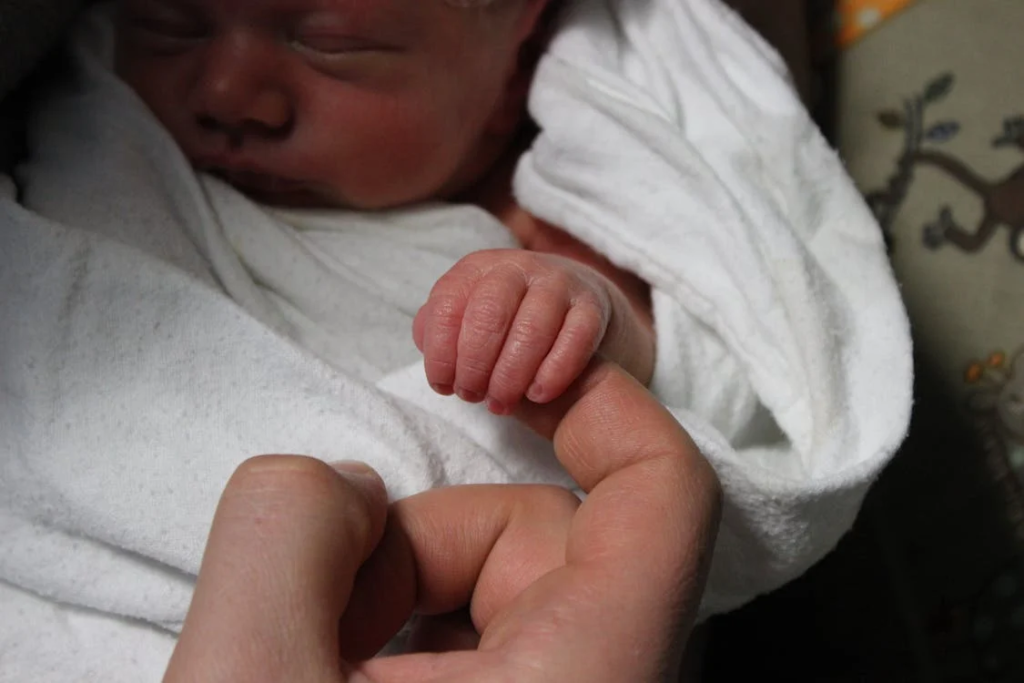
Also known as brain damage at birth, neonatal brain damage is caused by birth complications like oxygen deprivation, trauma, or infections. Improved neonatal treatment methods have boosted survival odds. However, many infants experience future treatment-related development problems, including cerebral palsy, epilepsy, or developmental delays.
Even in cases without overt physical impairments, subtle challenges can emerge over time, such as difficulty regulating emotions, social misunderstandings, or attention deficits. Without proper support, this prevents children with brain injuries from forming relationships, managing stress, and succeeding academically, worsening their emotional health.
A systematic review published by the American Academy of Pediatrics (AAP) highlights the enduring psychological impact: children with HIE are more likely to experience socioemotional, behavioral, and psychiatric struggles throughout their development.
The Parent’s Perspective: Grief, Guilt, and Chronic Stress
For parents, a neonatal brain injury diagnosis is often a traumatic entry into parenthood. The initial shock of medical complications gives way to a lifelong emotional journey marked by grief for the “typical” child they envisioned. There’s also guilt over perceived responsibility, with parents asking themselves questions like “Did I cause this?” or “Could I have prevented it? “
Relentless practical demands compound the emotional toll. Parents become full-time advocates, navigating fragmented healthcare systems, securing therapies, and fighting for educational accommodations. Financial strains and societal stigma further amplify the stress. Well-meaning but judgemental comments (“Why can’t they behave?“) or exclusion from social circles deepen isolation. Studies reveal that parents of children with brain injuries experience higher rates of anxiety, depression, and post-traumatic stress.
Yet, within these struggles lies resilience. Early interventions, such as speech and occupational therapy, offer tangible progress, easing feelings of helplessness. Mindfulness practices and counseling help parents process grief, while peer support groups foster solidarity. When parents prioritize their mental health, they’re better equipped to model emotional regulation for their child, creating a ripple effect of stability.
The Child’s Perspective: Navigating an Altered Reality
Children with neonatal brain damage face a unique psychological landscape. Even those with mild impairments may grapple with invisible struggles: difficulty reading social cues, managing emotions, or retaining information. These challenges often surface during critical developmental milestones, such as starting school or forming friendships.
Research shows that early childhood head injuries can slow down the natural decrease in impulsivity as children grow, increasing the risk of antisocial behavior. Adulthood brings new hurdles; many adults with early brain injuries often have a sense of “lost potential” and grief for the life they might have had. Transitioning to independent living or employment can feel insurmountable, particularly without adequate support.
Unmet expectations during the transition phase cause a range of frustrating emotions that seriously degrade both self-image and personal confidence levels. This underscores the importance of recognizing and addressing these invisible struggles early on. Tailored educational plans and social-skills training can help children adapt to these transitions.
For example, occupational therapy might address sensory processing issues, while cognitive-behavioral strategies can teach emotional regulation. Reframing success around personal growth rather than societal benchmarks becomes essential in countering these biases. Families who celebrate small victories (a first spoken sentence, a mastered self-care task) often report stronger emotional intelligence.
The Interplay of Trauma and Attachment
Trauma reshapes the parent-child bond after neonatal brain injury. Parents may become hypervigilant, bracing for crises, while children struggling with emotional reciprocity may withdraw. This tension can intensify a child’s emotional struggles and leave parents feeling rejected despite their efforts to provide love.
These dynamics strain attachment; a child’s difficulty expressing affection may be mistaken for indifference, while a parent’s exhaustion can seem detached. Misunderstandings fester, creating a cycle of disconnection that exacerbates behavioral challenges.
Breaking these patterns requires intentional intervention. Family therapy, particularly dyadic developmental psychotherapy, fosters secure attachment through co-regulation, helping parents and children manage emotions together.
This process replaces frustration with mutual understanding, strengthening their bond. Addressing trauma’s impact on attachment can transform families’ journey from struggle to resilience. Rebuilding connection turns adversity into a foundation for growth, allowing both parent and child to thrive.
Endnote
The lifelong psychological impact of neonatal brain damage underscores the need for holistic, lifelong care models that address emotional and social well-being alongside physical health. For parents, it requires societal acknowledgment for their invisible labor and emotional toll. On the other hand, it demands inclusive environments that recognize their strengths rather than deficits for children.
Families can transform trauma into growth by embedding resilience-building strategies into every stage of the journey. Neonatal brain injury is not a single chapter but a lifelong story; one that, with support, can be marked with resilience, connection, and unexpected joy. By amplifying these voices, we move closer to a world where every family feels seen, supported, and empowered to thrive.

Maria holds an MS in Psychology with a specialization in Social Psychology. She is a research-oriented writer with a strong academic background in psychological and behavioral sciences. Her work focuses on bridging academic research and public understanding by simplifying complex psychological theories and social dynamics. She writes about the relationship between society, mental health, and human behavior, making evidence-based ideas more accessible and practical for readers.