Quick Answer:
Pet-friendly sober living is a type of recovery home that lets residents live with their pets while staying committed to a sober lifestyle. For many people, a pet provides comfort, emotional support, and a sense of purpose during recovery. Caring for a pet can help reduce loneliness, build healthy routines, and make the recovery journey feel less overwhelming. However, every sober living home has its own rules about the types of pets it accepts, pet behavior, and resident responsibilities.
Key Takeaways
- Pet-friendly sober living homes allow residents to keep approved pets during recovery.
- Pets can provide emotional support, reduce feelings of loneliness, and encourage healthy daily habits.
- Taking care of a pet helps many people build responsibility and structure, which are important in long-term recovery.
- Not every sober living home allows pets, so it is important to ask about pet policies before moving in.
- Living with a pet is helpful for many people, but it should support not replace, professional addiction treatment, counseling, and peer support.
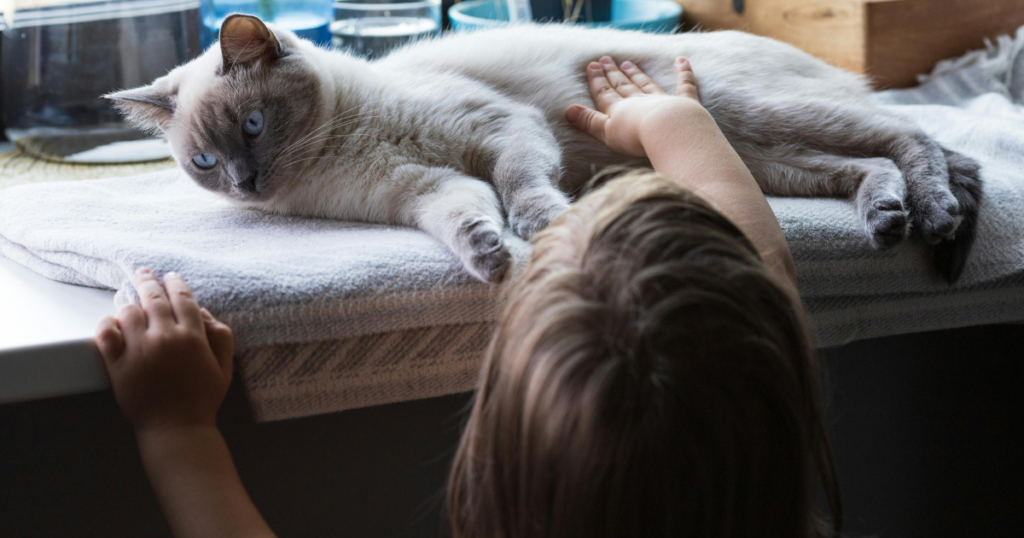
What Is Pet-Friendly Sober Living?
Pet friendly sober living is a shared recovery home where people work toward living free from drugs or alcohol while also caring for their pets. These homes give residents a safe, structured place to continue their recovery after detox or rehabilitation.
Unlike treatment centers that provide medical care, sober living homes focus on helping people return to everyday life while following house rules that support sobriety. Residents often attend counseling, recovery meetings, work, volunteer, or continue their education while living there. For residents with pets, maintaining everyday routines can also include regular veterinary care, such as visiting a Central Boise veterinarian when needed.
In a pet-friendly sober living home, approved pets are welcome. Depending on the house, this may include dogs, cats, or other small animals. Each home has different rules about the size, breed, vaccinations, and behavior of pets.
For many people, bringing a beloved pet means they do not have to choose between continuing recovery and staying with a loyal companion.
Why More Recovery Allow Pets
Recovery is about more than avoiding drugs or alcohol. It is also about building a healthier, more stable life.
Many recovery professionals have noticed that pets can make this process easier for some people. As a result, more sober living homes now offer pet-friendly options.
There are several reasons for this change.
Many people delay treatment because they worry about leaving their pets behind. Some have no family member or friend who can care for their animal while they focus on recovery.
Others feel deep anxiety about being separated from a pet that has been with them through difficult times.
Allowing pets removes one of these barriers. It helps some people enter recovery sooner instead of postponing treatment because they do not know what will happen to their animal.
For many residents, having a pet nearby also makes a new living environment feel more comfortable and familiar during a major life change.
The Psychology Behind Pet-Friendly Sober Living
The connection between people and animals is often called the human-animal bond. Psychologists have studied this relationship for many years.
Research suggests that spending time with a trusted pet may help reduce stress, improve mood, and increase feelings of emotional connection. While a pet cannot treat addiction, it can become part of a healthy support system that helps someone stay motivated during recovery.
Many people recovering from addiction experience difficult emotions such as:
- Loneliness
- Anxiety
- Sadness
- Fear
- Stress
- Low self-confidence
A caring pet cannot solve these challenges, but it can provide comfort during difficult moments.
For example, after a stressful day, walking a dog or sitting quietly with a cat may help someone relax and shift their attention away from negative thoughts.
Pets also offer something many people value during recoverysteady companionship. They do not judge someone’s past mistakes or recovery journey. Their consistent presence can help some individuals feel accepted and less alone.
This emotional connection may make it easier for some people to stay focused on rebuilding their lives.
How Pets Help During Addiction Recovery
Recovery often involves changing daily habits, learning healthier ways to manage emotions, and creating a stable lifestyle. Caring for a pet naturally supports many of these goals.
Pets Can Reduce Feelings of Loneliness
Many people feel isolated after beginning recovery. They may have stepped away from unhealthy friendships or changed their social circles.
This transition can feel lonely.
A pet offers daily companionship. Even simple activities like feeding a dog, brushing a cat, or taking a walk together can make a person feel connected instead of isolated.
While pets cannot replace family, friends, or support groups, they can make difficult days feel a little easier.
Pets Encourage Healthy Routines
One of the biggest challenges after addiction treatment is creating a structured daily routine.
Pets depend on consistency.
They need regular meals, exercise, grooming, and attention.
Because of this, pet owners often develop healthier daily habits without even realizing it.
For example, someone may begin each morning by:
- Waking up at the same time
- Feeding their pet
- Going for a short walk
- Cleaning up after the animal
- Preparing for work or recovery meetings
Repeating these healthy habits every day creates structure, and structure is an important part of long-term recovery.
Pets Can Help Lower Everyday Stress
Recovery can sometimes feel emotionally exhausting.
People may experience stress related to work, family relationships, finances, or adjusting to a new lifestyle.
Spending time with a familiar pet can become a calming part of the day.
Activities like petting a dog, playing with a cat, or taking a peaceful walk outdoors encourage people to slow down and focus on the present moment.
For many individuals, these small moments provide healthy breaks from daily stress.
Caring for a Pet Builds Responsibility
Recovery often includes rebuilding trust with yourself and with others.
Taking care of a pet requires commitment.
Every day, the animal depends on its owner for food, water, exercise, and care.
Meeting these responsibilities can give people a sense of accomplishment.
Instead of focusing only on past mistakes, they begin to see themselves as someone who can provide care, keep promises, and maintain healthy routines.
Over time, these positive experiences may strengthen confidence and support personal growth.
Pets Offer Comfort During Difficult Days
Recovery is rarely a straight path.
Some days feel hopeful.
Others feel frustrating or emotionally challenging.
During these moments, many people find comfort simply by having their pet nearby.
Whether it is a dog resting beside them after a difficult counseling session or a cat quietly sitting on the couch, these everyday interactions can provide a sense of calm and familiarity.
This emotional support does not replace therapy, recovery meetings, or medical care. Instead, it works alongside these treatments as one part of a broader recovery plan.
Recovery Still Requires Professional Support
Although pets can make recovery more comfortable, they are not an addiction treatment.
Successful recovery usually involves a combination of professional care and personal commitment, such as:
- Individual counseling
- Group therapy
- Support meetings
- Medical care when needed
- Healthy relationships
- Stable housing
- Positive daily habits
A pet can strengthen this support system by encouraging routine, companionship, and emotional comfort, but lasting recovery is built through many different forms of support working together.
Mental Health Benefits of Living with a Pet During Recovery
Recovery is not only about staying away from drugs or alcohol. It is also about improving your mental and emotional health. Many people face stress, anxiety, sadness, or self-doubt while building a new life. A pet cannot solve these problems, but it can make the journey feel less lonely and more manageable.
Here are some of the ways pets may support mental well-being during recovery.
1. Pets Provide Emotional Comfort
One of the hardest parts of recovery is learning how to deal with emotions in healthy ways. In the past, some people may have turned to alcohol or drugs when they felt overwhelmed.
A pet offers a different kind of comfort.
After a difficult day, spending a few quiet minutes with a dog, cat, or another trusted pet can help someone feel calmer. Many people say that simply having their pet nearby makes them feel safe and supported.4
Pets do not judge. They do not care about a person’s past. They respond to love, care, and attention, which can be comforting during emotional moments.
2. Pets Help Reduce Stress
Stress is a normal part of life, but learning to manage it is an important part of recovery.
Simple activities like walking a dog, throwing a ball, or petting a cat can help people slow down and take a break from everyday worries. These moments encourage mindfulness, helping people focus on what is happening right now instead of thinking about past mistakes or future fears.
Many people also enjoy spending time outdoors with their pets. Fresh air, light exercise, and nature can all contribute to better emotional well-being.
3. Pets Can Boost Self-Confidence
Addiction often affects a person’s confidence. Some people struggle with guilt or believe they cannot handle responsibility anymore.
Taking care of a pet can slowly change that mindset.
Every time someone feeds their pet, takes it for a walk, or keeps it healthy, they complete an important responsibility. These small successes build confidence over time.
Instead of focusing on what went wrong in the past, people begin to recognize what they are doing well today.
4. Pets Encourage Social Interaction
Recovery can sometimes feel isolating, especially when people leave unhealthy friendships behind.
Pets often make it easier to connect with others.
For example, dog owners may meet people during walks or at pet-friendly parks. Conversations about pets often happen naturally, helping people build new friendships without feeling pressured.
Living in a pet-friendly sober home can also help residents connect with each other. Sharing pet care tips or taking dogs for walks together encourages positive social interaction and builds a stronger sense of community.
How Pets Create Healthy Daily Routines
One of the biggest goals in recovery is building a stable daily routine.
Before recovery, life may have felt unpredictable or unorganized. Healthy routines help replace old habits with positive ones.
Pets naturally encourage consistency because they rely on their owners every day.
A typical day might include:
- Waking up at the same time each morning
- Feeding the pet
- Going for a morning walk
- Attending work, school, or recovery meetings
- Spending time exercising or playing with the pet
- Feeding the pet again in the evening
- Preparing for bedtime
These daily activities create structure, and structure helps many people stay focused on recovery.
Over time, these healthy habits become part of everyday life instead of feeling like difficult tasks.
Responsibilities of Owning a Pet in Recovery
Although living with a pet has many benefits, it also comes with important responsibilities.
Before choosing a pet-friendly sober living home, ask yourself whether you can provide proper care for your animal.
You will be responsible for things such as:
- Providing food and clean water every day
- Taking your pet outside for exercise if needed
- Cleaning up after your pet
- Keeping your pet healthy with regular veterinary care
- Making sure your pet behaves well around other residents
- Following all house rules about pets
Recovery should remain your top priority.
If caring for a pet becomes too stressful or overwhelming, it is important to talk with the house manager, your counselor, or supportive family members to find the best solution.
Being honest about your situation helps both you and your pet.
Common Rules in Pet-Friendly Sober Living Homes
Every sober living home has its own policies.
Some homes welcome several types of pets, while others only allow certain animals.
Before moving in, carefully review the home’s pet policy.
Many pet-friendly sober living homes have rules like these:
1. Pets Must Be Approved
Residents usually need permission before bringing a pet into the home.
Staff may ask about:
- The type of pet
- Size or breed
- Age
- Vaccination records
- Temperament
- Training history
This helps ensure the pet will be a good fit for the shared living environment.
2. Vaccinations Must Be Up to Date
Most homes require proof that pets have received recommended vaccinations and regular veterinary care.
This helps protect both residents and other animals living in the home.
3. Owners Are Responsible for Their Pets
Residents are expected to care for their own animals.
This includes feeding, cleaning, grooming, exercising, and paying for pet-related expenses.
Other residents are generally not responsible for someone else’s pet.
4. Good Behavior Is Expected
Aggressive or dangerous behavior is usually not allowed.
Pets should be well-behaved around other people and animals.
If a pet repeatedly causes problems, the home may ask the owner to make other arrangements.
4. Extra Fees or Deposits
Some pet-friendly sober living homes charge:
- A pet deposit
- A monthly pet fee
- A cleaning fee
These costs help cover additional maintenance and cleaning.
Always ask about these expenses before signing an agreement.
How to Choose the Right Pet-Friendly Sober Living Home
Not every pet-friendly home offers the same level of support.
Choosing carefully can make a big difference in your recovery experience.
Here are several factors to consider.
Look for a Safe and Supportive Environment
The home should have clear rules that encourage accountability, respect, and sobriety.
A clean, organized environment often reflects good management.
Residents should feel safe, supported, and encouraged throughout their recovery journey.
Understand the Pet Policy
Ask for a copy of the pet policy before moving in.
Make sure you understand:
- Which pets are allowed
- Weight or breed restrictions
- Required vaccinations
- Pet fees
- Areas where pets are allowed
- Responsibilities for pet care
Knowing these rules in advance helps prevent misunderstandings later.
Consider Your Pet’s Needs
Think about whether the environment is also suitable for your pet.
Ask questions like:
- Is there outdoor space nearby?
- Are pets allowed in common areas?
- Is the neighborhood safe for walking dogs?
- Are veterinary clinics nearby?
- Will your pet feel comfortable in a shared living space?
Recovery is important, but your pet’s well-being matters too.
Learn About the Recovery Program
A pet-friendly policy is only one part of choosing a sober living home.
Also ask about:
- House rules
- Curfew
- Drug and alcohol testing
- Recovery meetings
- Counseling support
- Staff availability
- Length of stay
A strong recovery program should always come before pet-friendly features.
Questions to Ask Before Moving In
Before choosing a pet-friendly sober living home, ask questions such as:
- Are pets allowed for every resident?
- Are there limits on pet size or breed?
- Is there a pet deposit or monthly fee?
- What documents do I need to bring?
- Are emotional support animals treated differently from pets?
- What happens if my pet becomes sick?
- Are there nearby parks or walking areas?
- Can my pet stay with me in my room?
- What happens if another resident has allergies?
- Who should I contact if I have questions about my pet?
Getting clear answers before moving in helps you make an informed decision and reduces surprises after you arrive.
Is Pet-Friendly Sober Living More Expensive?
The cost of pet-friendly sober living depends on the location, the services offered, and the home’s pet policy. Some homes charge the same amount as traditional sober living homes, while others ask for an extra pet fee or a refundable pet deposit.
Common costs may include:
- A one-time pet deposit
- A monthly pet fee
- Cleaning or maintenance fees
- Veterinary care and pet supplies, which remain the owner’s responsibility
Although bringing a pet can increase your monthly expenses, many people feel the emotional support and companionship are worth the extra cost.
Before choosing a home, ask for a full list of fees so you can plan your budget and avoid unexpected expenses.
Who Should Choose a Pet-Friendly Sober Living Home?
A pet-friendly sober living home is not the right choice for everyone, but it can be a great fit for many people.
You may benefit from this type of housing if you:
- Already own a pet and do not want to leave it behind
- Feel emotionally supported by your pet
- Can care for your pet every day
- Want to build a healthy daily routine
- Enjoy the responsibility of caring for another living being
- Have a pet that behaves well around other people and animals
Many people also find that keeping their pet with them makes the transition from treatment to independent living feel less stressful.
However, bringing a pet should always support your recovery—not distract from it.
When Pet-Friendly Sober Living May Not Be the Best Choice
While pets offer many benefits, there are situations where pet-friendly sober living may not be the best option.
For example, it may not be suitable if:
- Your pet has aggressive behavior.
- Your pet becomes highly anxious around strangers.
- You cannot afford the cost of caring for your pet.
- You are unable to meet your pet’s daily needs.
- Your recovery program requires more intensive care than a sober living home provides.
In some cases, it may be better to ask a trusted family member or friend to care for your pet until you are more stable in your recovery.
Making this decision does not mean you love your pet any less. It simply means you are choosing the safest path for both your recovery and your animal’s well-being.
How to Find a Pet-Friendly Sober Living Home
Finding the right sober living home takes time, but asking the right questions can help you make a confident choice.
Here are some simple steps to follow.
1. Search Local Recovery Programs
Many treatment centers work closely with sober living homes and can recommend homes that allow pets.
They may also know which homes have strong recovery programs and experienced staff.
2. Contact Homes Directly
Do not rely only on a website.
Call or email the home and ask about:
- Their pet policy
- Fees
- Available rooms
- House rules
- Recovery requirements
Speaking with staff can give you a better understanding of what daily life is like.
3. Read Reviews Carefully
Look for reviews that discuss more than just the pet policy.
Pay attention to comments about:
- Cleanliness
- Staff support
- Safety
- Community atmosphere
- House management
A supportive environment is just as important as being able to bring your pet.
4. Visit the Home If Possible
If you can, visit the sober living home before moving in.
Look around and ask yourself:
- Does the home feel clean and welcoming?
- Are residents respectful?
- Is there enough space for pets?
- Does the staff answer questions honestly?
Seeing the environment in person can help you make a better decision.
Pet-Friendly Sober Living vs. Traditional Sober Living
Both types of sober living homes share the same goal: helping residents maintain sobriety in a safe and supportive environment.
The main difference is whether residents can live with approved pets.
| Pet-Friendly Sober Living | Traditional Sober Living |
| Allows approved pets | Usually does not allow pets |
| Offers companionship through pets | Focuses only on the recovery environment |
| May include pet fees or deposits | Usually has no pet-related costs |
| Requires daily pet care | No pet responsibilities |
| Helps some residents feel more comfortable during recovery | Better for people who do not own pets or prefer a pet-free environment |
Neither option is automatically better. The right choice depends on your personal needs, recovery goals, and ability to care for a pet responsibly.
Frequently Asked Questions
Can I bring any type of pet to a sober living home?
Not always. Every home has different rules. Many allow dogs and cats, while others may also accept small pets such as rabbits or birds. Always ask about restrictions before moving in.
Are emotional support animals treated differently?
Some sober living homes have different policies for emotional support animals or service animals. Ask the staff how these animals are handled and whether any documentation is required.
Can a pet help prevent relapse?
A pet alone cannot prevent relapse.
However, caring for a pet may encourage healthy routines, provide emotional comfort, and reduce feelings of loneliness. These benefits can support recovery when combined with counseling, support groups, and professional treatment.
What happens if my pet causes problems?
Most homes expect owners to manage their pets responsibly.
If a pet becomes aggressive, damages property, or repeatedly disturbs other residents, the home may require the owner to correct the problem or make other arrangements.
Are pet-friendly sober living homes available everywhere?
Availability depends on where you live.
Some cities have many pet-friendly sober living homes, while others have only a few. If you are searching online, include your city or state to find local options.
How do I know if a sober living home is right for me?
Look for a home that has:
- Clear recovery rules
- A supportive community
- Experienced management
- A clean and safe environment
- A pet policy that fits your needs
Choosing a home based on its recovery program—not just its pet policy will give you the best chance of long-term success.
Final Thoughts
Recovery is about creating a healthier, more stable future, and for many people, a beloved pet becomes an important part of that journey.
A pet-friendly sober living home can provide more than a place to stay. It can offer comfort during difficult moments, encourage healthy daily routines, and remind residents that they are responsible for another living being. These small but meaningful experiences often help people rebuild confidence and move forward with hope.
At the same time, pets are only one piece of the recovery process. Lasting recovery usually comes from combining safe housing with counseling, peer support, healthy habits, and ongoing commitment. A pet can make the journey feel less lonely, but it should never replace professional care or evidence-based treatment.
If you are considering a pet-friendly sober living home, take time to compare your options, ask detailed questions, and choose a community that supports both your recovery goals and your pet’s well-being.
The right environment can help you build a strong foundation for a healthier future one day, one step, and sometimes one wagging tail at a time.

Maria holds an MS in Psychology with a specialization in Social Psychology. She is a research-oriented writer with a strong academic background in psychological and behavioral sciences. Her work focuses on bridging academic research and public understanding by simplifying complex psychological theories and social dynamics. She writes about the relationship between society, mental health, and human behavior, making evidence-based ideas more accessible and practical for readers.