When someone visits your home for the first time, they begin forming opinions long before they step inside. Research in psychology suggests that people make first impressions within seconds, relying on visual cues to judge safety, personality, warmth, and even trustworthiness. While we often think first impressions are based on people, our surroundings—including our homes—also communicate subtle psychological messages.
One of the most influential features of a home’s exterior is the front door. As the focal point of the entrance, it shapes visitors’ expectations and emotions before any conversation begins. A well-designed entryway can evoke comfort, security, and hospitality, while a neglected entrance may unintentionally create uncertainty or discomfort.
In this article, we’ll explore the psychology of first impressions, how entry doors influence perception, and why thoughtful design choices can improve both the appearance and emotional impact of a home.
Table of Contents
The Psychology of First Impressions
Psychologists have long studied how people make rapid judgments. These snap decisions are known as thin-slice judgments, in which individuals form opinions based on limited information within just a few seconds. The psychology traits people display through facial expressions, clothing, posture, and behavior can strongly influence the first impression they create.
When approaching a home, visitors unconsciously evaluate several factors:
- Is this place welcoming?
- Does it appear safe?
- Is it well cared for?
- What might the people living here be like?
Although these judgments aren’t always accurate, they strongly influence how people feel before entering the home.
Our personality test can also help people understand the characteristics that may influence how they interact with others.
Environmental Psychology and the Home
Environmental psychology examines how physical spaces affect human thoughts, emotions, and behavior. Our surroundings influence stress levels, comfort, attention, and social interactions.
The entrance of a home acts as a transition between the outside world and a private, personal environment. An inviting entryway helps visitors feel relaxed, while homeowners often experience a greater sense of pride and emotional satisfaction when returning to a welcoming home.
Features such as lighting, landscaping, color, cleanliness, and the front door all contribute to these emotional responses.
The Front Door as a Psychological Symbol
A front door represents much more than an entrance.
Psychologically, it symbolizes:
- Safety and protection
- Hospitality and openness
- Personal identity
- Privacy and boundaries
Throughout history, entrances have carried symbolic meaning across many cultures. Even today, people often associate an attractive front door with responsible homeowners and a well-maintained property.
Because of this symbolism, improving the entrance can significantly change how both visitors and homeowners perceive the home.
Color Psychology and Entry Doors
Color is one of the first visual elements people notice. Different colors naturally evoke different emotional responses.
For example:
| Door Color | Common Psychological Association |
| Blue | Calmness, trust, stability |
| Black | Sophistication, confidence |
| Red | Energy, warmth, excitement |
| Green | Growth, harmony, nature |
| White | Cleanliness, simplicity |
| Gray | Modernity, balance |
Although cultural differences exist, choosing a color that complements the home’s style can create a more positive emotional impression.
How Entry Doors Influence Feelings of Safety
Humans are naturally attentive to signs of security.
A sturdy, well-maintained entrance subconsciously communicates:
- Protection
- Stability
- Reliability
- Attention to detail
In contrast, damaged doors, peeling paint, or broken hardware may create subtle feelings of neglect or insecurity.
These psychological reactions occur quickly and often without conscious awareness.
The Role of Design in Building Trust
Research on environmental perception suggests that people often associate organized, attractive environments with competence and reliability.
When homeowners invest in maintaining their entrance, visitors may perceive the entire property more positively.
This doesn’t necessarily mean expensive renovations are required. Simple improvements such as fresh paint, clean hardware, attractive lighting, and an appropriately designed entry door can make a meaningful difference.
The Emotional Benefits for Homeowners
The psychological effects aren’t limited to guests.
Returning home each day through a welcoming entrance can promote feelings of:
- Comfort
- Belonging
- Pride
- Relaxation
A thoughtfully designed entrance creates a positive emotional transition from the outside world into one’s personal living space.
Many homeowners also report increased satisfaction after improving curb appeal because the changes reinforce positive feelings about their home environment.
Features of Custom Entry Doors in Raleigh
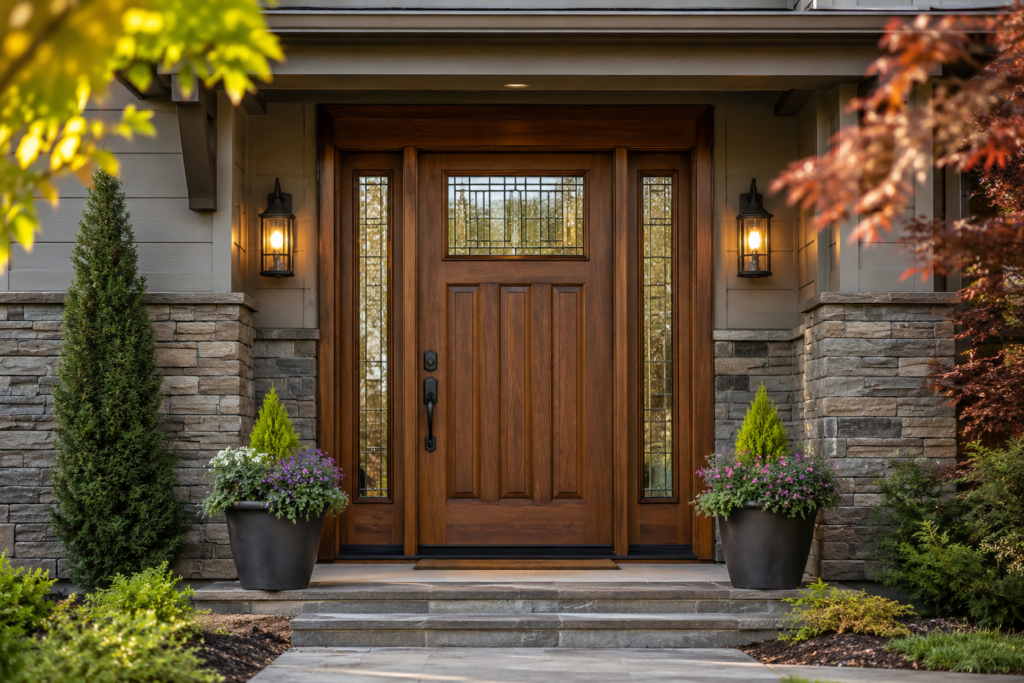
For homeowners looking to improve both the appearance and functionality of their home’s entrance, custom entry doors Raleigh offer an opportunity to combine psychological appeal with practical benefits. Since the front door is often the first feature visitors notice, choosing a design that reflects personal style while providing security and efficiency can enhance both first impressions and everyday living.
Personalized Design Options
One of the greatest advantages of custom entry doors is the ability to create a design that complements your home’s architecture instead of settling for a standard, mass-produced option.
Homeowners can personalize their entryway by selecting:
- Door styles and panel configurations
- Wood, fiberglass, or steel materials
- Decorative glass inserts
- Custom colors and finishes
- Unique hardware and handles
These choices help create an entrance that reflects the homeowner’s personality while reinforcing positive psychological impressions of the property.
Superior Durability
A front door should continue creating positive first impressions for years.
Custom entry doors are built using high-quality materials designed to withstand daily use and changing weather conditions. In Raleigh’s climate, this means resisting heat, humidity, rain, and seasonal temperature changes.
Fiberglass doors resist warping and cracking, steel doors provide exceptional strength, and premium wood doors offer timeless beauty when properly maintained. Durable materials help preserve both the appearance and long-term value of the entrance.
Enhanced Security
Security is closely connected to emotional well-being.
People naturally feel more comfortable entering or living in a home that appears secure.
Modern custom entry doors often include:
- Reinforced frames
- Stronger door cores
- Multi-point locking systems
- Impact-resistant glass options
- Heavy-duty hardware
These features not only improve physical security but also contribute to greater peace of mind for homeowners and their families.
Improved Energy Efficiency
Comfort plays an important role in how people experience their homes.
Many custom entry doors are designed with:
- Insulated cores
- Weather stripping
- Thermal breaks
- Energy-efficient glass
These features reduce heat transfer, help maintain consistent indoor temperatures, and may lower heating and cooling costs throughout the year.
Decorative Glass Options
Natural light often improves mood and creates a welcoming atmosphere.
Homeowners can select decorative glass styles such as:
- Frosted glass
- Clear glass
- Textured glass
- Stained glass
- Privacy glass
These options allow more daylight into the entryway while balancing aesthetics, privacy, and security.
Low-Maintenance Materials
Busy homeowners often appreciate materials that remain attractive with minimal upkeep.
Fiberglass and steel entry doors resist:
- Moisture damage
- Insects
- Fading
- Dents
- Warping
Routine cleaning and occasional inspections are generally enough to keep these doors looking their best for many years.
Increased Home Value
An attractive front entrance contributes significantly to curb appeal.
Potential buyers frequently associate a high-quality entry door with a well-maintained property. Beyond visual appeal, the added durability, security, and energy efficiency make custom entry doors an appealing feature that may increase a home’s resale value.
Small Changes Can Create Lasting Impressions
Creating a welcoming entrance doesn’t always require a complete renovation.
Homeowners can improve first impressions by:
- Keeping the entrance clean and uncluttered.
- Maintaining landscaping around the doorway.
- Using warm outdoor lighting.
- Choosing colors that complement the home’s style.
- Updating worn hardware.
- Ensuring the front door remains clean and in good condition.
These relatively simple improvements can make visitors feel more comfortable before they even step inside.
Final Thoughts
Our brains naturally form first impressions based on visual information, and the entrance to a home plays a significant role in that process. A thoughtfully designed front door conveys warmth, security, personality, and care, shaping how guests perceive the home while also enhancing homeowners’ sense of comfort and pride.
For homeowners considering an exterior upgrade, custom entry doors in Raleigh provide more than aesthetic value. With personalized designs, durable materials, advanced security features, energy-efficient construction, and decorative options, they combine practical performance with the psychological benefits of creating a welcoming first impression.
Ultimately, a front door is far more than an architectural feature—it’s the beginning of every visitor’s experience and an important part of how a home communicates its identity.

Maria holds an MS in Psychology with a specialization in Social Psychology. She is a research-oriented writer with a strong academic background in psychological and behavioral sciences. Her work focuses on bridging academic research and public understanding by simplifying complex psychological theories and social dynamics. She writes about the relationship between society, mental health, and human behavior, making evidence-based ideas more accessible and practical for readers.