Have you ever said one thing but meant another, only to have everyone around you wonder whether your mistake revealed what you were really thinking?
These unexpected verbal mistakes are often called Freudian slips. The term has been part of popular culture for over a century and is commonly used when someone accidentally says something embarrassing, revealing, or surprisingly honest.
But what is a Freudian slip exactly? Does it truly expose hidden thoughts and desires, as Sigmund Freud believed? Or is it simply a normal mistake that happens when our brains process language?
In this guide, we’ll explore the Freudian slip meaning, its origins, real-life examples, and what modern psychology says about these fascinating speech errors.
What Is a Freudian Slip?
A Freudian slip is a mistake in speech, writing, or memory that is believed to reveal a person’s unconscious thoughts, feelings, or desires.
In simple terms, it happens when someone accidentally says a word or phrase that they didn’t intend to say. According to Sigmund Freud, these errors aren’t random. Instead, they may provide clues about thoughts hidden beneath conscious awareness.

Freudian Slip Definition
A Freudian slip is:
An unintentional mistake in speech, writing, reading, or memory that may reveal unconscious thoughts or feelings.
Today, the term is often used casually to describe any amusing or revealing verbal mistake.
Freudian Slip Meaning in Everyday Language
When people use the phrase “Freudian slip,” they usually mean that someone accidentally revealed what they were really thinking.
For example:
- Calling your current partner by your ex’s name
- Accidentally saying “I hate this job” when trying to say “I hate this task”
- Referring to your boss as “Dad” during a meeting
Whether these mistakes truly expose hidden feelings is still debated, but they often feel meaningful because they occur unexpectedly.
The Freudian Slip Origin
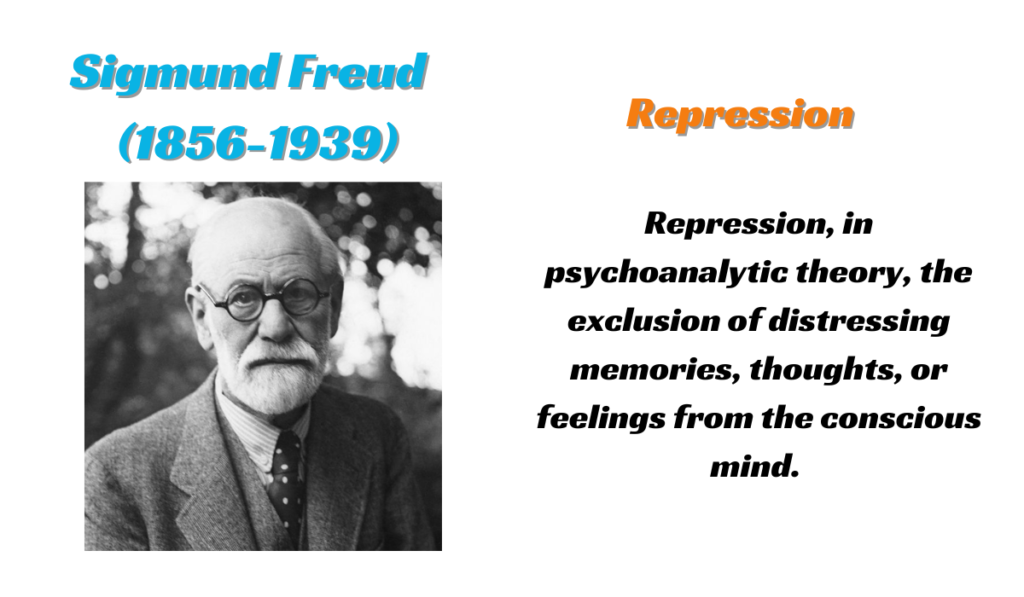
The concept comes from Sigmund Freud, the Austrian neurologist who founded psychoanalysis in the late 19th and early 20th centuries.
Freud discussed these errors extensively in his 1901 book The Psychopathology of Everyday Life.
He argued that seemingly minor mistakes such as forgetting names, misspeaking, or misreading words were not accidents. Instead, they reflected unconscious conflicts, wishes, and emotions.
Because Freud focused heavily on the unconscious mind, these errors eventually became known as Freudian slips.
How Sigmund Freud Explained Freudian Slips
Freud believed the human mind operates on multiple levels:
Conscious Mind
Thoughts and feelings you are currently aware of.
Preconscious Mind
Information that can be recalled when needed.
Unconscious Mind
Thoughts, memories, and desires that exist outside conscious awareness.
According to Freud, unconscious thoughts sometimes “slip through” and appear in everyday mistakes.
For example, imagine someone says:
“I’m glad to be fired I mean hired.”
Freud might argue that the person secretly fears losing the job or has unresolved anxiety about work.
In his view, the mistake is not random but a clue to deeper psychological processes.
Common Freudian Slip Examples
Understanding Freudian slips is easier with examples.
1. Using the Wrong Name
Someone accidentally calls their partner by an ex-partner’s name.
This could simply be a habit or, according to Freud, it might indicate unresolved emotions.
2. Workplace Mistakes
A manager says:
“Our biggest failure, I mean, achievement.”
Such slips often draw laughter because they appear to reveal genuine opinions.
3. Relationship Conversations
A person intending to say:
“I’m happy to see you.”
accidentally says:
“I’m surprised to see you.”
The mistake may reflect underlying emotions or expectations.
4. Political Speeches
Public figures occasionally make verbal mistakes that become news headlines because listeners interpret them as revealing hidden beliefs.
5. Writing Errors
Freudian slips aren’t limited to speech.
An email that accidentally includes the wrong word or phrase may also be considered a Freudian slip if it appears meaningful.
More Freudian Slip Examples from Everyday Life
People experience these slips in many situations:
- Mixing up children’s names
- Forgetting an important appointment
- Misreading a sentence
- Sending a message to the wrong person
- Saying the opposite of what was intended
- Accidentally revealing confidential information
- Calling a teacher “Mom” or “Dad.”
Not every mistake is a Freudian slip, but many are interpreted that way.
Why Do Freudian Slips Happen?
There are several possible explanations.
1. Unconscious Thoughts
Freud believed hidden desires and conflicts influence behavior more than people realize.
A Freudian slip may occur when these thoughts bypass conscious control.
2. Mental Overload
Modern psychology suggests that many speech errors occur because the brain processes large amounts of information simultaneously.
Stress, fatigue, and distraction can increase mistakes.
3. Similar Words Competing
Language production is incredibly complex.
Sometimes similar words compete in the brain, causing the wrong one to emerge.
4. Emotional Significance
Words connected to strong emotions may be more likely to appear accidentally because they are mentally active.
What Modern Psychology Says About Freudian Slips
Modern psychology agrees that Freudian slips are real, but many researchers disagree with Freud’s idea that every slip of the tongue reveals a hidden desire or unconscious wish.
Today, psychologists are more likely to explain Freudian slips using cognitive psychology and language-processing theories than psychoanalysis.
1. The Brain Processes Language Quickly
When we speak, the brain retrieves words, meanings, and sounds within milliseconds. Because multiple words can become activated at the same time, people occasionally select the wrong word by mistake (Levelt, 1999).
For example, someone might accidentally say a similar-sounding word or substitute one idea for another without intending to do so.
2. Similar Words Can Compete With Each Other
Research suggests that speech errors often occur when related words are activated simultaneously in the brain. According to Dell’s (1986) spreading-activation theory, competing words can interfere with one another during speech production, leading to accidental substitutions.
This means many Freudian slips may simply reflect how language is organized in the mind rather than revealing unconscious conflicts.
3. Stress, Fatigue, and Distraction Matter
Modern studies show that speech errors become more common when people are:
- Stressed
- Tired
- Distracted
- Mentally overloaded
Under these conditions, attention and memory processes are more likely to fail, increasing the chances of verbal mistakes (Goldrick et al., 2014).
4. Can Freudian Slips Reveal Hidden Thoughts?
Some psychologists believe that certain Freudian slips may occasionally reflect a person’s current concerns, emotions, or preoccupations. However, modern research does not support Freud’s claim that every verbal mistake exposes unconscious desires.
Instead, most psychologists view Freudian slips as normal speech-production errors that result from how the brain processes language (Harley, 2001).
The Modern View
In summary, modern psychology recognizes Freudian slips as genuine language mistakes, but it generally explains them through cognitive and linguistic processes rather than unconscious wishes. While Freud’s interpretation remains historically important, contemporary research provides stronger evidence for explanations based on attention, memory, and language processing.
Freudian Slips vs Ordinary Speech Errors
Many people assume all speech mistakes are Freudian slips, but that’s not accurate.
| Freudian Slip | Ordinary Speech Error |
| Appears to reveal hidden thoughts | Usually caused by language processing mistakes |
| Often interpreted as meaningful | Typically random |
| Associated with Freud’s theory | Explained by cognitive psychology |
| May involve emotional content | May involve any word or phrase |
The distinction matters because not every mistake reflects unconscious desires.
Can Freudian Slips Reveal Hidden Thoughts?
This remains one of psychology’s most interesting questions.
The answer is: sometimes, but not always.
For example:
- If someone repeatedly makes the same mistake, it may reflect a recurring concern.
- If the slip relates to a current emotional issue, it might reveal something meaningful.
- Lastly, if it occurs during stress or multitasking, it may simply be an accident.
Modern psychology generally avoids assuming that every mistake exposes a hidden truth.
Are Freudian Slips Real?
Yes, but their interpretation is controversial.
Most researchers agree that:
✔ Speech errors occur regularly.
✔ Certain mistakes may reflect thoughts currently occupying the mind.
✔ Also, emotional concerns can influence language.
However:
✘ There is limited evidence that every slip reveals a repressed desire.
✘ Freud’s original explanations are not universally accepted in modern psychology.
As a result, Freudian slips remain an interesting combination of psychology, language, and human behavior.
Why Are Freudian Slips So Fascinating?
People are naturally curious about what others truly think.
When someone accidentally says something unexpected, listeners often wonder whether the mistake exposed a hidden belief or feeling.
This curiosity explains why Freudian slips continue to appear in:
- Movies
- Television shows
- Political commentary
- Social media discussions
- Everyday conversations
The idea that our unconscious mind might reveal itself through language remains compelling.
Frequently Asked Questions
What is a Freudian slip?
A Freudian slip is an unintentional mistake in speech, writing, reading, or memory that may reveal unconscious thoughts or feelings.
What does a Freudian slip mean?
Traditionally, it means that a hidden thought or desire has accidentally surfaced. Modern psychology suggests many slips are simply normal language-processing errors.
Who invented the idea of a Freudian slip?
The concept originated with Sigmund Freud, who discussed these errors in The Psychopathology of Everyday Life.
Are Freudian slips scientifically proven?
Speech errors are scientifically recognized, but Freud’s explanation that all slips reveal unconscious desires is not fully supported by modern research.
Can a Freudian slip reveal true feelings?
Sometimes it may reflect concerns or emotions already present in a person’s mind, but not every mistake reveals hidden feelings.
What is a common Freudian slip example?
Calling a current partner by an ex-partner’s name is one of the most frequently cited examples.
Final Thoughts
A Freudian slip is more than just a funny mistake. It represents one of psychology’s most enduring ideas: that our unconscious minds may influence our everyday behavior in ways we don’t fully understand.
While Sigmund Freud believed these slips exposed hidden desires and conflicts, modern psychology offers a more nuanced explanation. Some mistakes may indeed reflect thoughts occupying our minds, while others are simply the result of the brain’s complex language-processing systems.
Whether you view them as windows into the unconscious or ordinary speech errors, Freudian slips continue to capture our attention because they raise a timeless question: Do our accidental words reveal more about us than we realize?
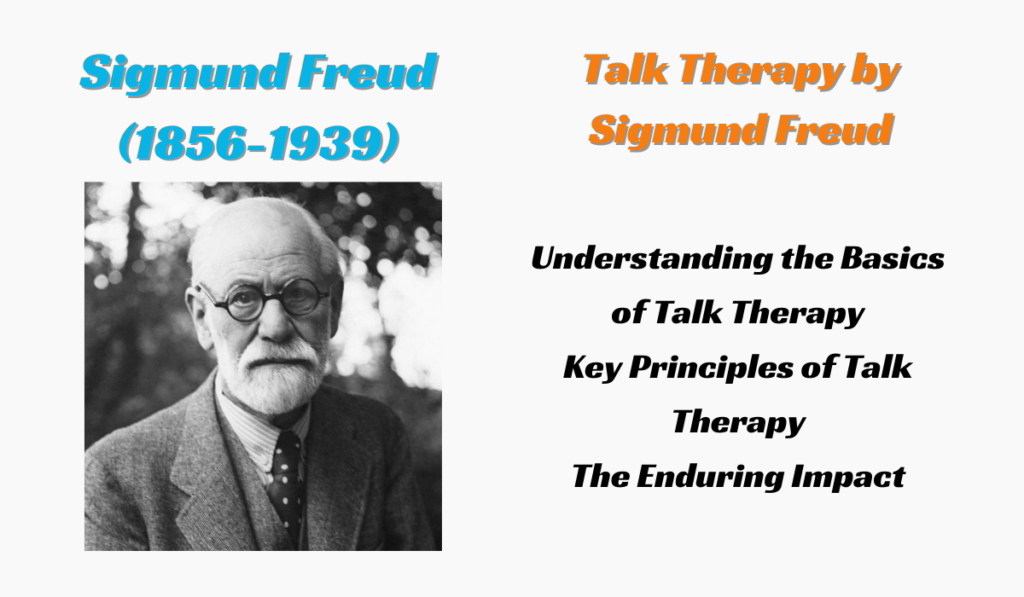
Read more: Psychoanalysis: insider on the concept of Talk Therapy by Freud
Work Cited:
Dell, G. S. (1986). A spreading-activation theory of retrieval in sentence production. Psychological Review, 93(3), 283–321. https://doi.org/10.1037/0033-295X.93.3.283
Freud, S. (1901/2003). The psychopathology of everyday life (A. Tyson, Trans.). Penguin Books. (Original work published 1901)
Goldrick, M., Ferreira, V. S., & Miozzo, M. (2014). The speaker’s linguistic performance: Language production and its cognitive mechanisms. In M. Goldrick, V. S. Ferreira, & M. Miozzo (Eds.), The Oxford handbook of language production (pp. 1–15). Oxford University Press. https://doi.org/10.1093/oxfordhb/9780199735471.001.0001
Harley, T. A. (2001). The psychology of language: From data to theory (2nd ed.). Psychology Press.
Levelt, W. J. M., Roelofs, A., & Meyer, A. S. (1999). A theory of lexical access in speech production. Behavioral and Brain Sciences, 22(1), 1–38. https://doi.org/10.1017/S0140525X99001776
McLeod, S. (2025). Freudian slips (parapraxes): Definition, examples, and psychology. Simply Psychology. https://www.simplypsychology.org/freudian-slip.html

Maria holds an MS in Psychology with a specialization in Social Psychology. She is a research-oriented writer with a strong academic background in psychological and behavioral sciences. Her work focuses on bridging academic research and public understanding by simplifying complex psychological theories and social dynamics. She writes about the relationship between society, mental health, and human behavior, making evidence-based ideas more accessible and practical for readers.